

Include in print
Monday, May 04
Automation in Action Workshop
Approved by

3.5 CE
Hours

3 CAFM®
Recertification Points
This ACT Expo session is approved by NAFA Fleet Management Association for Continuing Professional Education (CPE), which may be applied towards CAFM® recertification credit, and Green Business Certification Inc.™ (GBCI®) for Continuing Education hours. Membership in NAFA or GBCI® is not required to attend this session.
8:30 am – 10:00 am: Bootcamp: Understanding Vehicle Autonomy
Before diving into real-world deployments and fleet strategies, it’s essential to understand how vehicle autonomy actually works—and where it stands today. This foundational session breaks down the key technologies, terminology, and deployment models driving automation across commercial transportation.
From ADAS and advanced driver-assist systems to fully autonomous vehicles, attendees will gain a grounded understanding of how automation is being developed, tested, and integrated into logistics, trucking, and off-road operations.
Why You Can’t Miss It:
- Autonomy fundamentals: Build a clear understanding of the sensors, software, and system architectures that enable different levels of automation.
- Market landscape: Learn about the opportunities and the risks that fleets face when integrating autonomous technologies.
- Safety and regulation: Explore how standards, certification frameworks, and regulatory pilots are shaping safe autonomous operations.
- Fleet impact: See how automation is influencing the way fleets will operate and changing perspectives on the total cost of ownership.
- Future trajectory: Gain insight into where the autonomous mobility sector is heading – where innovation, policy, and investment are driving the future of freight.
This session sets the stage for the Automation in Action Workshop—providing the essential context to understand the technologies, safety frameworks, and strategies moving autonomy from concept to commercial reality.
 Moderator
Katelyn Magney-Miller
Communications Director, Partners for Automated Vehicle Education (PAVE)

Lydia Vieth
Research Analyst, Electrification and Autonomy, ACT Research

Athanasios Papadopoulos
Manager Autonomous Strategy & Partnership, Daimler Truck North America

James Cooper
Head of Autonomous Solutions, International

Varun Jain
OF Counsel, K&L Gates
10:00 am – 11:00 am: Real-World Automation: On the Road and In the Yard
Automation isn’t a future promise—it’s happening now. Across highways, depots, and yards, fleets are already deploying automated trucks, autonomous terminal tractors, and software-defined systems that are transforming daily operations. What once seemed distant is now delivering measurable results in uptime, efficiency, and safety.
This session takes a grounded look at automation in action today—how fleets are integrating advanced systems, connecting people and technology, and scaling proven tools across their networks. Attendees will hear directly from those using automation to solve operational challenges, not just prepare for them.
Why You Can’t Miss It:
- Here and now: See how automation is being applied across freight, logistics, and yard operations—delivering value today, not tomorrow.
- Operational deployments: Learn how autonomous off-road equipment and connected fleet systems are improving productivity, consistency, and safety.
- Integration in practice: Discover how fleets connect hardware, software, and infrastructure to form reliable, scalable automation ecosystems.
- Business impact: Explore how fleets quantify automation’s ROI as automation transforms uptime, labor efficiency, and operating costs.
- Scaling for success: Gain insight into how pilot programs are transitioning into full deployments—and granting early adopters a competitive edge.
This session offers a practical, results-driven look at automation as it exists today—showing how fleets are already using these technologies to operate smarter, safer, and more efficiently.
 Moderator
Seth DeVlugt
Senior Director, Ryder Ventures and New Product Strategy, Ryder System Inc.

Paul DiLaura
Chief Commercial Officer, Gatik AI

Sasko Cuklev
Head of On-Road Solutions, Volvo Autonomous Solutions

Matt Yearling
Chief Executive Officer, YMX Logistics

Lior Ron
Chief Operating Officer, Waabi
11:00 am – 12:00 pm: Safely Integrating Automated Vehicles into Fleet Operations
As automation moves from pilots to commercial deployment, the focus is shifting from “if” to “how.” Fleets are now addressing the practical realities of operating automated vehicles safely—balancing innovation with regulation, human oversight, and accountability.
This session dives into what it takes to responsibly scale automation within complex fleet environments, from mixed-traffic operations to driver handover protocols. Attendees will hear directly from experts and early adopters on the safety practices, data frameworks, and operational systems that are enabling real-world deployments today.
Why You Can’t Miss It:
- Operational readiness: Learn how fleets are updating safety procedures, training programs, and maintenance planning to prepare for automation at scale.
- Regulatory alignment: Understand how evolving state and federal frameworks are guiding certification, safety assurance, and fleet compliance.
- Human-in-the-loop systems: See how driver monitoring, fallback protocols, and situational awareness tools support safe, shared control between humans and machines.
- Data-driven validation: Explore how fleets and developers use data transparency, simulation, and real-world testing to verify performance and build trust.
- Scaling with confidence: Gain insight into proven strategies for integrating automation into fleet ecosystems while maintaining reliability and safety as adoption grows.
This session provides a practical roadmap for fleets to integrate automation safely and strategically—ensuring readiness, compliance, and confidence as technology moves into everyday operations.
 Moderator
Michelle Gentile
Vice President Vehicle Supply Purchasing and Systems, Penske Truck Leasing
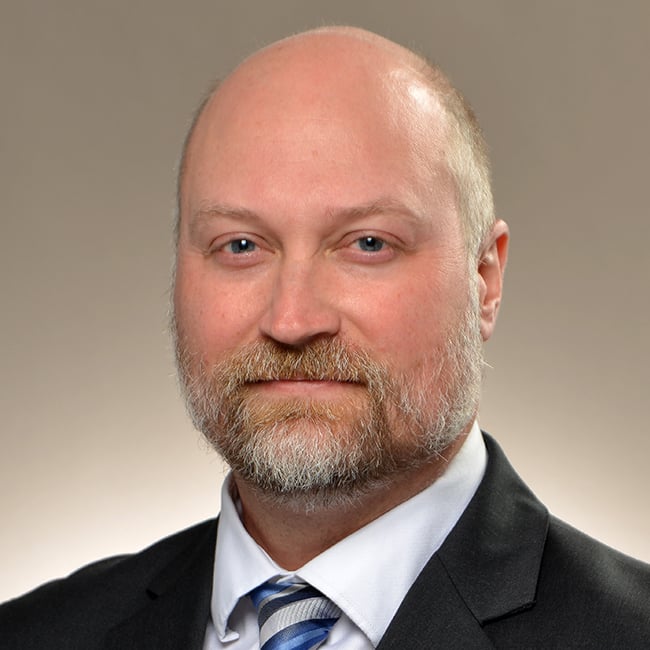
Frank Fratrik
Director of Safety, Kodiak

Darcyne Foldenauer
Executive Director, Automated Vehicle Safety Consortium (AVSC)

Ryan Sipple
Head of Sales and Product Management, Terminal Tractors, Kalmar Ottawa
Clean Fuels for Commercial Fleets
Approved by
3 CE
Hours
3 CAFM®
Recertification Points
This ACT Expo session is approved by NAFA Fleet Management Association for Continuing Professional Education (CPE), which may be applied towards CAFM® recertification credit, and Green Business Certification Inc.™ (GBCI®) for Continuing Education hours. Membership in NAFA or GBCI® is not required to attend this session.
9:00 am – 9:15 am: Opening Keynote
The clean fuels market is changing quickly, with more renewable product coming online and new contracting structures available to fleets. This keynote frames where the market is today and where it’s heading, focusing on what shippers and carriers need to know to secure reliable supply, manage price risk, and meet customer and regulatory expectations.
Why You Can’t Miss It:
- Supply insights: Understand national and regional trends for renewable diesel/HVO, biodiesel, natural gas/RNG, and propane—and how these affect fleet planning and operations.
- Cost control strategies: Learn contracting approaches and pricing mechanisms that help fleets reduce volatility, protect margins, and plan for long-term cost predictability.
- Operational readiness: See how leading fleets are building multi-fuel strategies that align with uptime, productivity, and customer expectations.
- Risk and opportunity: Explore how market shifts, policy changes, and technology adoption are shaping the next wave of clean fuel deployment and what fleets must do now to stay competitive.
This keynote sets the foundation for the workshop, giving fleets and shippers the clarity they need to navigate a rapidly evolving clean fuels landscape with confidence and competitive advantage.

9:15 am – 10:15 am: Renewable Fuels in Practice: What Fleets Need to Know About RD/HVO and Biodiesel
Renewable diesel/HVO and biodiesel are already in use across many fleet operations today. This session focuses on how fleets are using these fuels in day-to-day operations, working with suppliers and OEMs, and capturing operational and cost benefits without changing vehicles or infrastructure. Fleet operators and industry experts will share practical insights on performance, sourcing, and supplier engagement.
Why You Can’t Miss It:
- Real-world performance: Learn how renewable diesel/HVO and biodiesel blends perform across regions, climates, duty cycles, and vehicle types—and what fleets are seeing in terms of reliability and uptime.
- OEM alignment: Hear how fleets are navigating approvals, warranty considerations, and fuel specifications to ensure consistent, compliant use.
- Geographic availability and supply access: Understand where these fuels are widely available today, how regional supply differs, and how fleets secure access through distributors, terminals, and long-term supply agreements.
- Fuel cost strategy: See how fleets use renewable fuels to manage fuel spend, improve predictability, and support total cost of ownership goals.
- Supplier engagement: Walk away with practical questions and strategies for working with fuel providers and engine manufacturers.
This session delivers clear, actionable guidance for fleets looking to use renewable fuels effectively—supporting reliable operations, cost management, and sustainability goals using fuels already available in the market.
 Moderator
Mike Bahr
Regional Sustainability Manager, Turner Construction
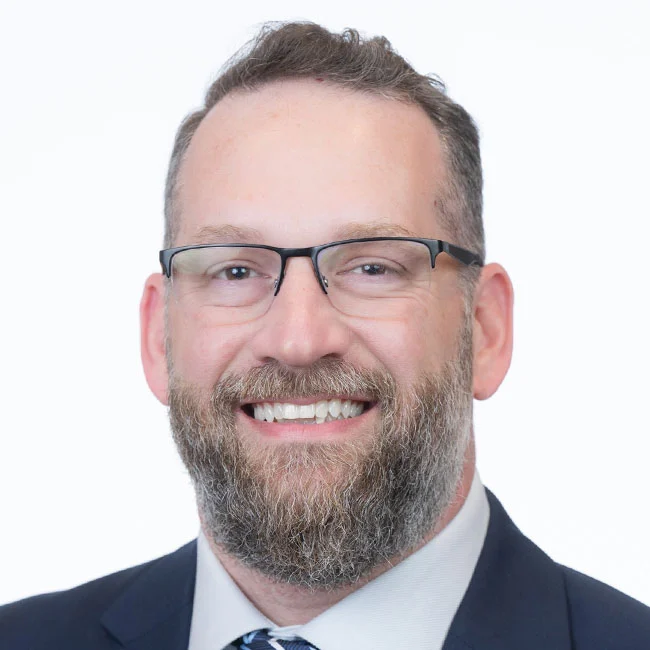
Josh Tippin
Vice President, Energy and Fuel Services, Penske Transportation Solutions

Colin Huwyler
Chief Executive Officer, Optimus Technologies

Uma Vajapeyazula
Vice President, CSSNA – Western Zone, Cummins Inc.

Eric Winterset
Fleet Services Manager, City of Long Beach
10:15 am – 11:00 am: Right Fuel, Right Route: Evaluating CNG and RNG for Today’s Fleet Operations
CNG and renewable natural gas remain cost-effective, lower-carbon options for fleets operating on defined routes with access to fueling infrastructure. This session focuses on how fleets are evaluating where CNG and RNG make sense today, how they are securing fuel supply, and how to assess economics as policies and credit markets evolve.
Why You Can’t Miss It:
- Application insights: Learn which duty cycles, routes, and vehicle classes are seeing strong performance and cost benefits from CNG and RNG.
- Geographic availability and access: Understand where CNG and RNG fueling is available today, how coverage varies by region, and how fleets access fuel through public stations, private depots, and utility partnerships.
- Operational reality: Understand how RNG leverages existing CNG vehicles and infrastructure while delivering different carbon outcomes depending on feedstock and sourcing.
- Fuel and credit contracting: Hear how fleets structure fuel supply and environmental-attribute agreements to manage cost, risk, and long-term certainty.
- Market foresight: Learn what to watch in LCFS and other credit markets that can enhance the business case for natural gas solutions.
This session gives fleets actionable strategies to deploy NG and RNG effectively optimizing costs, reducing carbon impact, and keeping operations reliable.
 Moderator
Daniel Gage
President, The Transport Project

Ian MacDonald
Senior Vice President of Sales, Americas, Hexagon Agility
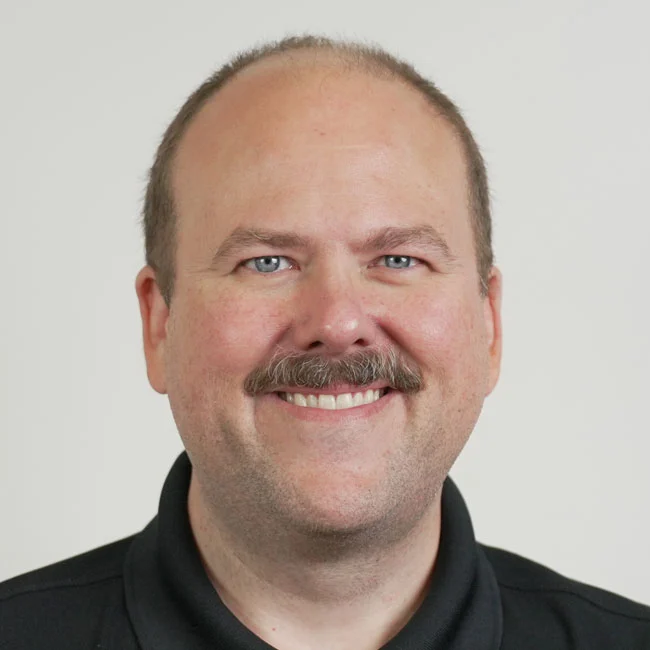
Nathan Barney
Executive Vice President of Sales, RoadEx CY

Jim Arthurs
Senior Strategic Advisor, Westport

Matt Tomich
President, Energy Vision
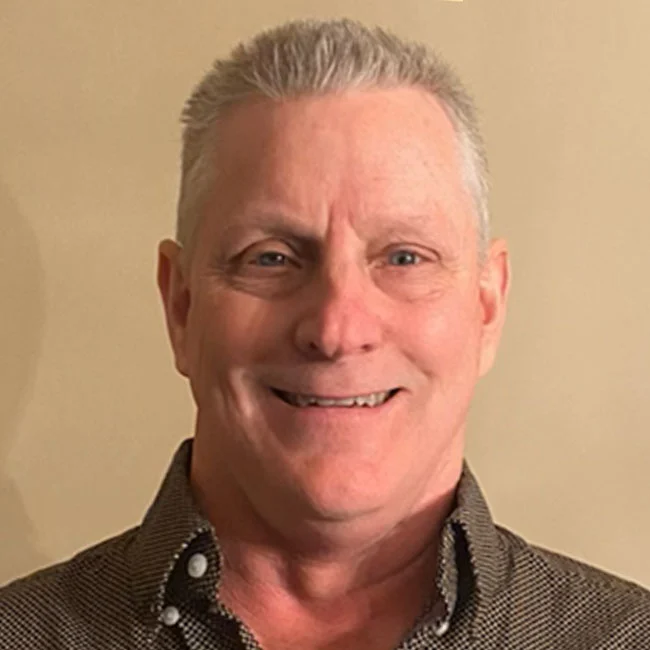
Doug Glenn
Senior Manager of Fleet Maintenance, Talon Logistics / Giant Eagle
11:00 am – 12:00 pm: A Simpler Path to Lower Costs: How Fleets Use Propane and Renewable Propane
Propane and renewable propane continue to deliver strong value in applications where upfront cost, fueling simplicity, and reliability are critical. This session features fleet operators using these fuels today, sharing what’s working, what to plan for, and where propane and renewable propane fit alongside other clean transportation options.
Why You Can’t Miss It:
- Total cost clarity: Understand how propane and renewable propane compare on cost per mile, maintenance, and overall total cost of ownership.
- Fleet-tested applications: Hear directly from fleets operating propane vehicles in school bus, paratransit, and delivery service.
- Operational readiness: Understand infrastructure, maintenance, and training requirements to avoid surprises and maximize uptime.
- Emerging opportunities: Learn where renewable propane is gaining traction and how it can help meet customer expectations and regulatory targets.
This session equips fleets with practical knowledge to adopt propane and renewable propane efficiently reducing costs, maintaining reliable operations, and supporting sustainability goals.
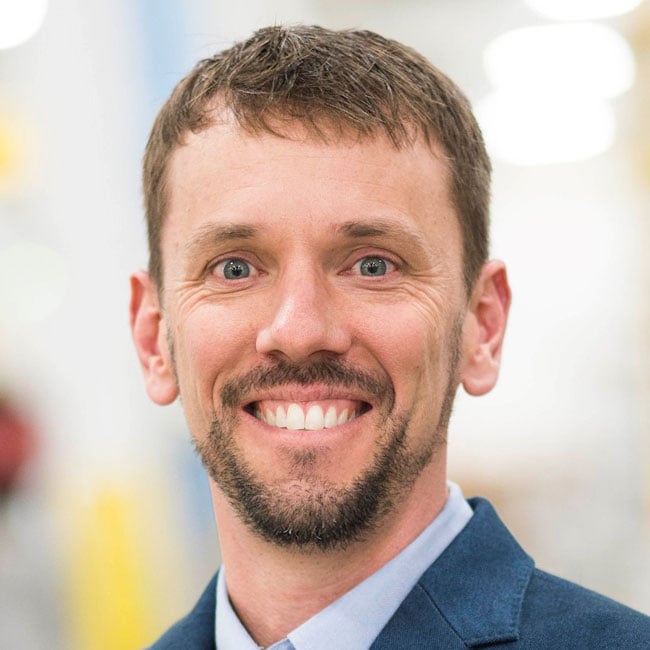 Moderator
Mike Finnern
Senior Vice President, National Alternative Fuel Fleet Leader, WSP

Tucker Perkins
President and Chief Executive Officer, Propane Education & Research Council

M. Douglas Dagan
Senior Vice President of Renewable Energy, Suburban Propane
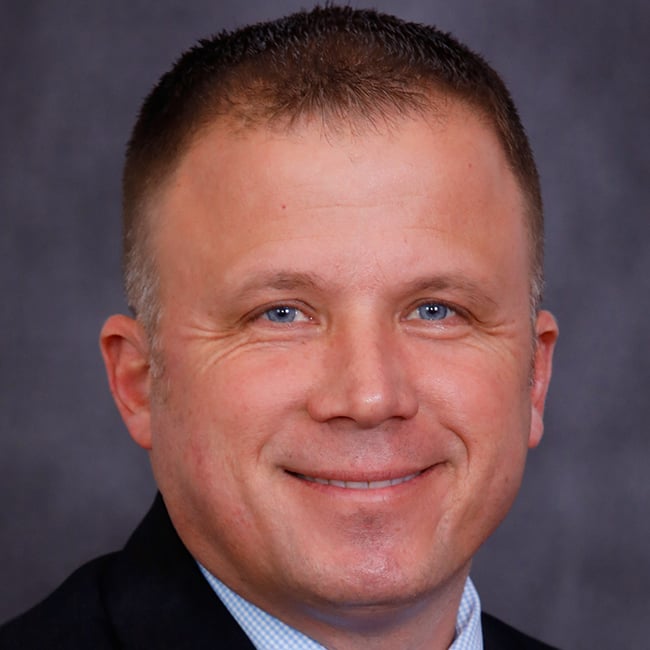
Todd Mouw
Executive Vice President of Sales, Marketing and Customer Success, ROUSH CleanTech

Paul Strobis
Assistant General Manager, Paratransit and Contracted Services, Broward County Transportation Department
EV Charging Workshop
Approved by
3 CE
Hours
2.75 CAFM®
Recertification Points
This ACT Expo session is approved by NAFA Fleet Management Association for Continuing Professional Education (CPE), which may be applied towards CAFM® recertification credit, and Green Business Certification Inc.™ (GBCI®) for Continuing Education hours. Membership in NAFA or GBCI® is not required to attend this session.
9:00 am – 9:20 am: Market Forces: How Autonomous Fleets are Shaping EV Charging
Electrification is scaling. The constraint is infrastructure, not vehicles. This opening session sets the stage for the EV Charging Workshop with a clear view of where charging is being built today and what it takes to deliver it. Real demand is coming from high-utilization fleets—particularly EV native autonomous and ride-hail deployments. These operations are scaling now, driven by uptime, economics, and the need to operate continuously. AV fleet operations are accelerating infrastructure deployment and setting a new standard for performance. What they reveal is clear: the pace of electrification is defined by the ability to deliver power at scale. Land, power, and permitting have become the gating factors. As more fleets electrify, the requirements being proven today will define how charging infrastructure is built, deployed, and operated across all vehicle classes.
Why You Can’t Miss It:
- Where demand is scaling: Understand how high-utilization fleets are driving infrastructure buildout
- What’s changing: See how AV and ride-hail deployments are reshaping requirements for charging
- The real constraints: Learn why land, power, and permitting define the pace of electrification
- What it means for fleets: Understand how today’s deployments are preparing markets for what’s next
This session grounds the conversation in what’s being built today—and what it means for the future of electrification.

9:20 am – 9:50 am: Public Truck Charging: Market Disruptions and Deployment Outlook
The public truck-charging market is entering a defining moment. Early pilots and demonstration sites are giving way to large-scale corridor buildouts and multi-megawatt truck-stop networks—but not without disruption. Shifting business models, evolving partnerships, and a fast-changing policy and utility landscape are redefining how, where, and when charging will scale.
This session brings together the executives building America’s public truck-charging backbone. They’ll share firsthand perspectives on what’s driving momentum, where the biggest challenges remain, and how market shakeups are influencing the next wave of investment and innovation across the heavy-duty charging ecosystem.
Why You Can’t Miss It:
- Infrastructure reality check: Get the latest data on operational high-power sites, active corridors, and the gaps still stalling long-haul coverage.
- Market shakeups: Understand how recent mergers, funding shifts, and technology disruptions are reshaping the business case for public truck charging.
- Developer insights: Hear directly from the executives behind today’s largest public truck-charging projects about what it takes to bring sites online—permitting, power delivery, partnerships, and profitability.
- Technology and grid readiness: Learn how power delivery, uptime, site design, and interconnection strategies are evolving to meet the demands of heavy-duty fleets.
- Forward momentum: See where investment, innovation, and policy alignment are headed next—and what that means for scaling public truck charging over the next decade.
This session delivers a grounded, market-focused look at how infrastructure developers are turning vision into reality—and what the industry’s next phase of growth will truly look like.
 Moderator
Laura Renger
Executive Director, California Electric Transportation Coalition

Alan Dowdell
Vice President, Head of Distributed Energy Solutions, MN8 Energy

Patrick Macdonald-King
Chief Executive Officer, Greenlane
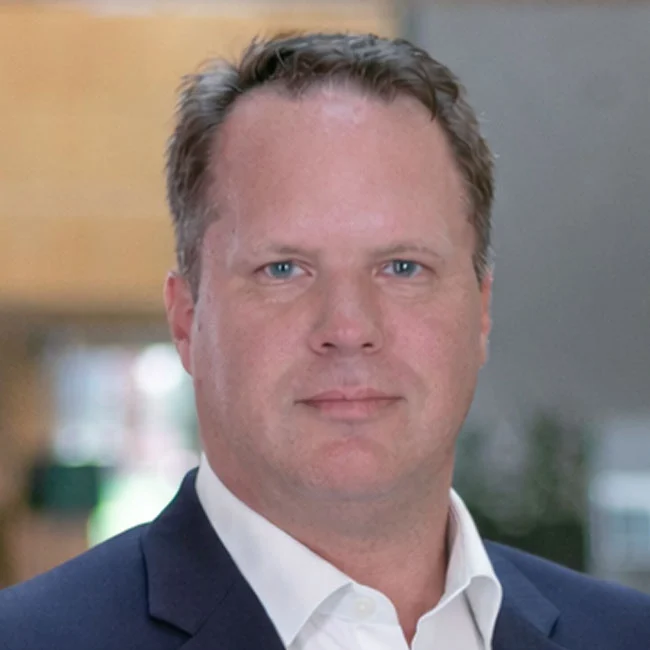
Daniel Krantz
Vice President, Charging and Infrastructure Solutions North America, Volvo Energy
9:50 am – 10:35 am: Megawatt Charging in Europe: Lessons for the U.S. Market
Europe is moving fast on megawatt-scale charging (MCS), transforming early demonstrations into full-scale freight corridors and logistics hubs. With dozens of high-power sites now deploying >1 MW chargers, European operators are testing the limits of today’s grid, hardware, and business models—and proving what’s possible at scale.
This session brings together leaders shaping Europe’s megawatt-charging future to share critical lessons for the U.S. market. From regulatory frameworks and corridor mandates to grid interconnection and commercial viability, these deployments offer a real-world preview of what’s next for North America’s heavy-duty charging landscape.
Why You Can’t Miss It:
- Trailblazing deployments: See how Europe is already operating megawatt-scale charging hubs backed by corridor requirements, public funding, and strong OEM alignment.
- Grid and infrastructure insights: Learn how European utilities and developers are tackling interconnection bottlenecks, grid upgrades, and site readiness challenges.
- Standardization and alignment: Understand how MCS standards are being harmonized across the U.S. and Europe to enable interoperable, scalable charging systems.
- Business model evolution: Explore how real utilization data and public-private partnerships are shaping the economics of high-power charging—and what that means for return on investment.
- The U.S. readiness gap: Gain a clear view of how America compares to Europe in installed power density, regulatory coordination, and the urgency to accelerate MCS deployment.
This session offers a firsthand look at how Europe’s megawatt-charging experience can guide the U.S. toward faster, smarter, and more reliable high-power infrastructure for heavy-duty fleets.
 Moderator
Marvin Kroeger
Head of Business Development, Keysight Technologies

Henry Johnson
Truck and Bus Marketing Principal, Alpitronic

Monil Malhotra
President, Kempower North America and member of Kempower Global Leadership Team, Kempower

James Spivey
Applications Engineer, Schaltbau North America
10:35 am – 11:20 am: Financing the Future: Unlocking Capital for Fleet Charging
Building a national fleet-charging network takes more than hardware and grid access—it requires capital that can move as fast as the market itself. As federal grants evolve and taper, fleets and developers are turning to project financing, utility investment, and private capital to sustain momentum and scale charging deployment.
This session brings together financial and industry leaders driving the capital flows behind fleet electrification. From green bonds and tax equity to utility partnerships and “as-a-service” models, discover how investors are redefining risk, return, and ownership in the next phase of charging deployment.
Why You Can’t Miss It:
- Capital catalysts: Learn how project financing, utility programs, and green bonds are fueling nationwide investment in fleet-charging infrastructure.
- Private investment insights: Hear directly from investors and financiers on how venture and institutional capital are shaping the market’s next growth phase.
- Utility collaboration: See how utilities are structuring programs to reduce upfront costs, streamline interconnections, and accelerate deployment timelines.
- Financing innovation: Explore new ownership, leasing, and as-a-service models lowering barriers for fleets of every size and sector.
- Scalable solutions: Understand how financial strategies are aligning with real-world deployment to make electrification both practical and profitable.
This session unpacks the financial backbone of fleet electrification—showing how innovative capital structures are turning the promise of charging infrastructure into sustainable, scalable business models.



11:20 am – 12:00 pm: AI for Charging Optimization and Grid Flexibility
As electric fleet adoption accelerates, managing charging demand and grid impact is becoming a critical operational challenge. Artificial intelligence is emerging as a key tool for balancing energy use, optimizing costs, and improving infrastructure performance.
This session explores how AI is being applied to optimize charging schedules, manage site-level demand, and enhance coordination with utilities and renewable resources. Attendees will gain practical insights into how intelligent charging strategies can improve fleet reliability, reduce costs, and support a more flexible, resilient grid.
Why You Can’t Miss It:
- Smart scheduling: Learn how AI automates charging plans to match fleet operations, energy pricing, and vehicle availability.
- Grid coordination: Discover how intelligent systems can balance charging loads with grid capacity and renewable generation.
- Operational efficiency: See how predictive analytics and real-time monitoring reduce downtime, energy costs, and infrastructure strain.
- Future-ready fleets: Understand how AI-enabled charging management prepares fleets for rapid growth and evolving energy markets.
This session discusses how artificial intelligence is redefining the economics and reliability of fleet charging—turning complexity into opportunity for fleets and power providers alike.



Hydrogen Mobility Workshop
Approved by
3 CE
Hours
2.5 CAFM®
Recertification Points
This ACT Expo session is approved by NAFA Fleet Management Association for Continuing Professional Education (CPE), which may be applied towards CAFM® recertification credit, and Green Business Certification Inc.™ (GBCI®) for Continuing Education hours. Membership in NAFA or GBCI® is not required to attend this session.
9:00 am – 9:15 am: Opening Remarks: The State of Hydrogen in 2026
Hydrogen is gaining real momentum as a practical, scalable solution for commercial transportation. In recent years, significant progress in production, fueling infrastructure, and vehicle technology has advanced hydrogen from early demonstration to active deployment across multiple sectors.
Hydrogen remains a promising pathway for certain commercial applications, with real advances in production, fueling infrastructure, and vehicle technology enabling meaningful early deployments. Meanwhile, the industry is also navigating significant headwinds—including the pullback of federal H2 Hubs funding, and competition from other technologies.
This session opens the Hydrogen Workshop with a clear, data-driven look at where the market stands today. Attendees will gain perspective on recent achievements, remaining challenges, and the opportunities shaping hydrogen’s growing role in fleet operations worldwide.
Why You Can’t Miss It:
- Vehicle deployment: See where hydrogen fuel cell vehicles are gaining traction today—from early fleet pilots to commercial operations—and what lessons are emerging from real-world use.
- Infrastructure expansion: Get an inside look at the steady growth of fueling stations, production facilities, and supply chains preparing for the next phase of market adoption.
- Policy and incentives: Learn how recent shifts in state and federal programs are forcing hydrogen companies to innovate, realign and plan for the future.
- Collaborative innovation: Hear how automakers, energy providers, and technology companies are partnering to improve reliability, reduce costs, and scale hydrogen solutions.
- Strategic outlook: Understand where the hydrogen ecosystem is headed next and how fleets can position themselves to take advantage of emerging opportunities in a shifting market.
This session sets the stage for a deeper exploration of hydrogen’s expanding role in transportation—providing attendees with a clear snapshot of where the market stands and where it’s moving next.

9:15 am – 10:30 am: Accelerating Hydrogen Adoption Through Innovation and Scale
Hydrogen is moving from promise to proven progress. Technological breakthroughs, strategic investments, and industry partnerships across the transportation, logistics, and energy sectors are redefining what’s possible for hydrogen-powered mobility.
This keynote will explore the pathways driving hydrogen adoption at scale—highlighting the innovations, collaborations, and infrastructure strategies that are turning early projects into long-term commercial success stories.
Why You Can’t Miss It:
- Technology in motion: Hear how advancements in electrolyzers, fuel cell systems, and storage solutions are improving performance, efficiency, and reliability.
- Infrastructure at scale: Learn how hydrogen fueling networks and production capacity are expanding to meet growing transportation and energy demands.
- Collaborative leadership: See how automakers, energy providers, and technology innovators are aligning to accelerate deployment and market confidence.
- Market momentum: Gain insight into the economic and policy factors enabling hydrogen’s growth and the strategies fueling global competitiveness.
This session delivers a forward-looking view of how innovation and scale are converging to make hydrogen a practical, powerful force in the future of clean mobility.
 Moderator
William A. Zobel
Senior Director, Hydrogen and Infrastructure, Pilot Company

Dr. Stefan Becher
Vice President Fuel Cell Solutions, Bosch

Mohamed M. Khaja
Program Director – Mobility, Edmonton Region Hydrogen Hub

Philippe Heisch
Chief Executive Officer, Linde Hydrogen Fueltech

Greg Heller
Sales Manager, Total Hydrogen Solutions, Total Hydrogen Solutions, a Division of Pneumatic & Hydraulic Company

Erwin Penfornis
Vice President Hydrogen Energy World Business Line, Air Liquide
10:30 am – 10:45 am: Keynote: Leading the Hydrogen Market
Hydrogen is reaching a pivotal moment—where leadership, innovation, and scale are defining the next phase of growth. This keynote spotlights a leading OEM’s global strategy to advance hydrogen mobility through cutting-edge fuel cell technology, strategic partnerships, and commercial integration across multiple vehicle platforms.
Attendees will gain insight into how hydrogen is being embedded into real-world applications today—and how visionary leadership is shaping the roadmap toward widespread adoption and energy resilience.
Why You Can’t Miss It:
- Technology innovation: Learn about the development of next-generation fuel cell systems designed to deliver greater efficiency, durability, and scalability for commercial use.
- Commercial integration: See how hydrogen technology is being deployed across a full spectrum of vehicles—from passenger cars to buses and heavy-duty trucks.
- Global leadership: Understand how international collaboration and investment are driving progress in hydrogen production, infrastructure, and mobility solutions.
- Future vision: Hear how one of the world’s most forward-looking OEMs envisions hydrogen’s role in powering a cleaner, more connected transportation ecosystem.
This keynote provides a front-row view into how leading innovators are shaping the global hydrogen market—combining technology, strategy, and scale to accelerate the future of clean mobility.

10:45 am – 12:00 pm: Hydrogen Roundtable: Converting Challenges Into Opportunities
Hydrogen’s potential across transportation and energy sectors is immense—and the industry is now focused on turning early-stage challenges into pathways for progress. This roundtable brings together leaders from across the hydrogen value chain to discuss how technology, policy, and partnerships are converging to accelerate adoption and build long-term market confidence.
Attendees will hear candid insights from developers, fleets, automakers, and policymakers who are tackling real-world hurdles and uncovering new opportunities for growth, scale, and collaboration.
Why You Can’t Miss It:
- Industry collaboration: Discover what different industry partners are doing to build on the momentum of the last few years and ensure that hydrogen achieves its potential in the transportation and energy sectors.
- Infrastructure evolution: Examine how public and private investments are advancing fueling networks, production hubs, and supply logistics.
- Cost and production pathways: Learn about innovations in electrolysis, renewable hydrogen sourcing, and scaling strategies that are lowering hydrogen industry costs and closing the financial gap with conventional fuels.
- Public perception and trust: Explore how education, transparency, and demonstrated performance are strengthening confidence in hydrogen technology.
- Commercial readiness: Gain perspective on what fleets, OEMs, and fueling partners need next to transition from pilots to profitable, scalable operations.
This roundtable offers a solutions-focused dialogue on how the hydrogen industry is converting challenges into opportunities—and building the foundation for sustained market success.
 Moderator
Jim Gillis
President, Pacific Region, IMC Logistics

Joachim A. Ladra
Head of Sales, Marketing and Communication, cellcentric GmbH & Co. KG
Frank Wolak
President and Chief Executive Officer, Fuel Cell and Hydrogen Energy Association

Bart Sowa
Program Director, Mobility R&D, GTI Energy

Katrina Fritz
President and Chief Executive Officer, California Hydrogen Business Council

Thibault Tallieu
Marketing and Strategy Director, EODev
Innovative Engine Technology
9:00 am – 10:15 am: EPA27 Roundtable: What the Final Rule Means for Fleets, OEMs & Suppliers
With EPA’s heavy-duty EPA27 rule at a critical inflection point, this timely roundtable brings together OEMs, regulators, suppliers, and fleet leaders to unpack the latest developments—and what they mean for the industry. This session will clarify what’s settled, what’s still in flux, and how stakeholders should be planning for compliance, technology, and cost impacts from EPA’s revisions to the 2027 engine standards.
Panelists will discuss expected requirements, implementation scenarios, and readiness strategies, offering practical insight into how fleets and suppliers can prepare for the changes coming, even amidst regulatory uncertainty.
Why You Can’t Miss It:
- Get the latest, straight from the source: Hear directly from organizations shaping, tracking, and preparing for EPA27—including what’s firm, what’s likely, and what remains uncertain.
- Understand potential compliance pathways and timing scenarios: Learn how different rule-finalization outcomes could affect planning, procurement, and deployment decisions.
- Explore implications for engines, aftertreatment, and cost per mile: See how anticipated technical changes may translate into real-world operational and maintenance impacts.
- Learn how fleets are planning despite uncertainty: Hear how leading fleets are stress-testing procurement strategies, contracts, and replacement cycles now—not waiting for the final rule.
- Stay ahead of the curve: This is where the industry aligns on how to prepare for EPA27—regardless of when the final language lands.
 Moderator
Patrick Couch
Senior Vice President, Technical, TRC Companies | Clean Transportation Solutions

Sean Waters
Vice President, Product Integrity, Daimler Truck North America

David Hillman
Vice President, Integrated Technology Sales, International
Andrea Lukas
Director of Product Management for the North American On-Highway Business, Cummins Inc.
10:15 am – 11:00 am: Clean Diesel Innovation: Designing Engines for the Next Decade
As diesel engines continue to evolve, OEMs are introducing significant improvements in thermal efficiency, durability, combustion systems, and aftertreatment performance. This session examines where diesel technology is heading and what it means for long-term asset planning.
Why You Can’t Miss It:
- See where diesel innovation is heading: Learn which technologies and design changes top manufacturers are prioritizing to boost durability, efficiency, and on-road performance.
- Understand the operational impact: Get clear insight into how the latest hardware and software updates may affect uptime, maintenance intervals, diagnostics, and shop practices.
- Hear what fleets are comparing today: Explore how operators are evaluating performance, fuel economy, and total cost of ownership across current and upcoming engine platforms—and what’s delivering real value in day-to-day service.
This session equips fleet operators with the clear, practical insight they need to make smarter diesel purchasing and maintenance decisions—helping them improve uptime, control costs, and stay competitive as the next generation of clean diesel technology comes to market.
 Moderator
Keiron Greenhalgh
Staff Reporter, Transport Topics

Mehdi Ferhan
Head of Powertrain Technology, Volvo Group

Navtej Singh
Director of Engineering, International

Lyle Kocher
Director Technical Programs and Planning, Cummins Inc.

Steve Collins
Director of Field Sales Engineering, Daimler Truck North America
11:00 am – 12:00 pm: Aerodynamics, Hybrid Efficiency & Advanced Optimization Tools
Efficiency technologies continue to provide some of the highest-value gains available to fleets today. This session explores aerodynamic improvements, hybrid system evolution, idle reduction, lightweighting, and predictive optimization tools that deliver measurable performance improvements across a range of duty cycles.
Why You Can’t Miss It:
- Proven gains: Learn which aero, hybrid, and efficiency upgrades are delivering measurable savings and helping fleets reduce cost per mile today.
- Real-world examples: Hear case studies of operators improving fuel economy, stretching asset productivity, and tightening TCO through targeted efficiency investments.
- Hybrid use-case clarity: Understand where modern hybrid systems are showing renewed promise in particular routes, stop-and-go patterns, and regional-haul applications.
- Smarter optimization: Explore how sensor-driven insights and predictive tools are helping fleets squeeze more value out of existing equipment without adding operational complexity.
This session gives fleet leaders a practical roadmap for improving fuel economy, lowering operating costs, and maximizing the performance of the equipment they already run.
 Moderator
Daniel Fahey
Vice President, US Quality and Sustainability, Martin Brower, LLC
Derek Matthews
Global Partnership Manager, BAE Systems
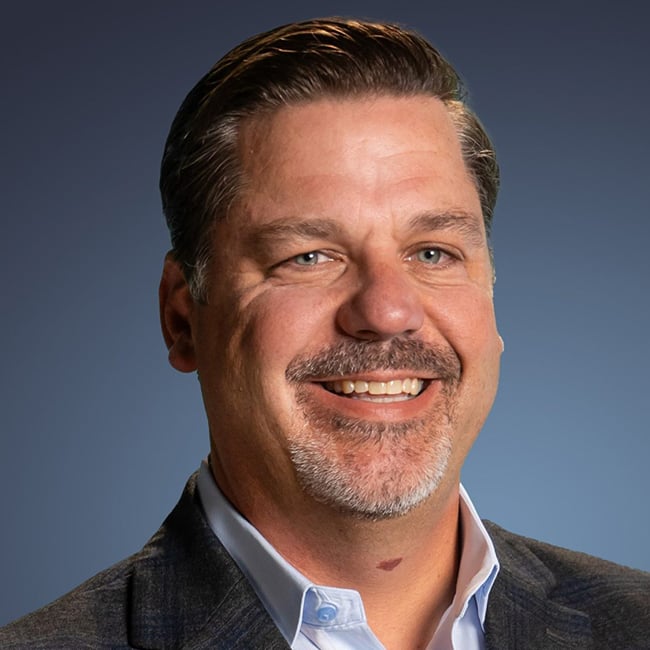
Wade Seaburg
Chief Commercial Officer, Dragonfly Energy

Sean Jones
Chief Executive Officer, Horizon Motor
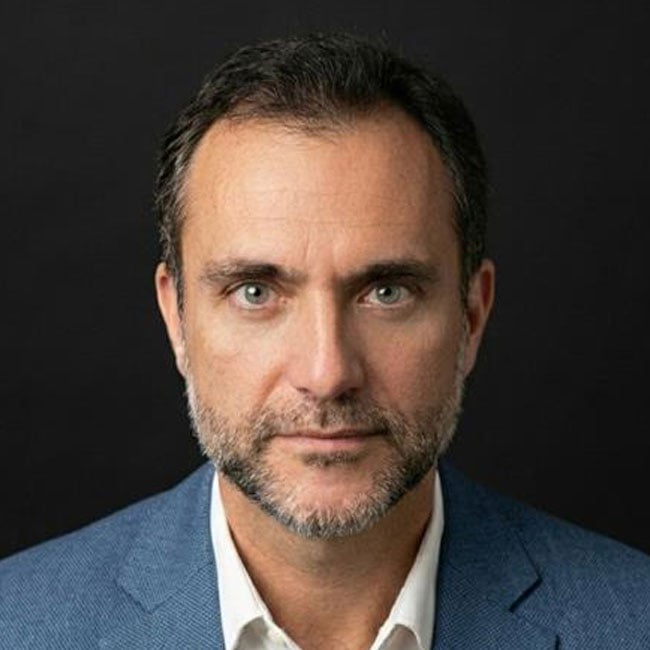
Alexandre Esgolmin
Head of Product Line Driveline Technology, Commercial Vehicle Solutions, ZF Group
Market Dynamics Workshop
Approved by
3 CE
Hours
2.75 CAFM®
Recertification Points
This ACT Expo session is approved by NAFA Fleet Management Association for Continuing Professional Education (CPE), which may be applied towards CAFM® recertification credit, and Green Business Certification Inc.™ (GBCI®) for Continuing Education hours. Membership in NAFA or GBCI® is not required to attend this session.
9:00 am – 9:15 am: Welcome & Framing Remarks: Understanding Fleet Market Dynamics
Global momentum around increasingly advanced, connected and clean transportation continues to accelerate—driven by policy, incentives, and shifting fleet priorities across every major market. As governments refine their approaches and fleets navigate complex economic and regulatory landscapes, understanding how these forces interact has never been more important.
This opening session sets the stage for the Market Dynamics Workshop, offering a clear view of how policy developments, incentive structures, and business decisions are shaping the commercial transportation landscape worldwide. From Europe to Asia to North America, the rules, rewards, and motivations are changing—creating both challenges and opportunities for fleet operators, OEMs, and technology providers alike.
Why You Can’t Miss It:
- Policy pulse: Gain perspective on the most influential transportation policies from the US and around the world to understand how those policies are guiding fleet strategies.
- Evolving incentives: Understand how tax credits, grants, carbon programs, and utility funding are influencing market behavior and investment timing.
- Fleet decision drivers: Learn what’s motivating shippers, carriers, and private fleets to diversify their technologies and fuel choices in today’s market.
- Regional perspectives: Compare and contrast policy and market progress in Europe, Canada, China, and Australia with the U.S..
- Strategic insight: See how policy alignment will generate market shifts to define the competitive landscape for the next decade.
This session provides the foundation for understanding how policy, incentives, and fleet decision-making intersect to drive the next wave of transportation innovation and investment.

9:15 am – 10:00 am: Global Policy Momentum: How the World Is Moving Faster
Across every major market, governments are accelerating policies that are reshaping the commercial transportation landscape. From carbon pricing to fleet mandates and targeted incentives, global regulatory momentum is driving technology adoption, infrastructure investment, and competition at an unprecedented pace.
This session explores how policy and market frameworks in regions like the EU, China, and Africa are setting new expectations for fleet operations, fueling innovation, and sustainability. Attendees will gain an informed view of how these shifts are redefining business strategies, supply chains, and opportunities for fleets worldwide.
Why You Can’t Miss It:
- Regulatory acceleration: Learn how leading regions are advancing emissions standards, fuel mandates, and performance targets that are reshaping fleet operations.
- Incentive landscape: Understand how grants, tax credits, and targeted funding are directing capital toward vehicles, infrastructure, and clean energy supply chains.
- Competitive positioning: See how early movers are leveraging regional policy timing to gain market share, strengthen supply chains, and deploy advanced technologies.
- Harmonization and trade: Explore how differences in policy design, trade frameworks, and cross-border standards affect procurement and fleet operations.
- Global outlook: Walk away with a clear view of which regions are setting the pace—and how fleets can align investment and strategy to stay ahead.
This session offers a global policy roadmap to help fleets, OEMs, and investors anticipate change, identify opportunity, and stay competitive as the world moves faster toward cleaner, more advanced transportation systems.
 Moderator
Aaron Katzenstein
Deputy Executive Officer – Technology Advancement, South Coast Air Quality Management District
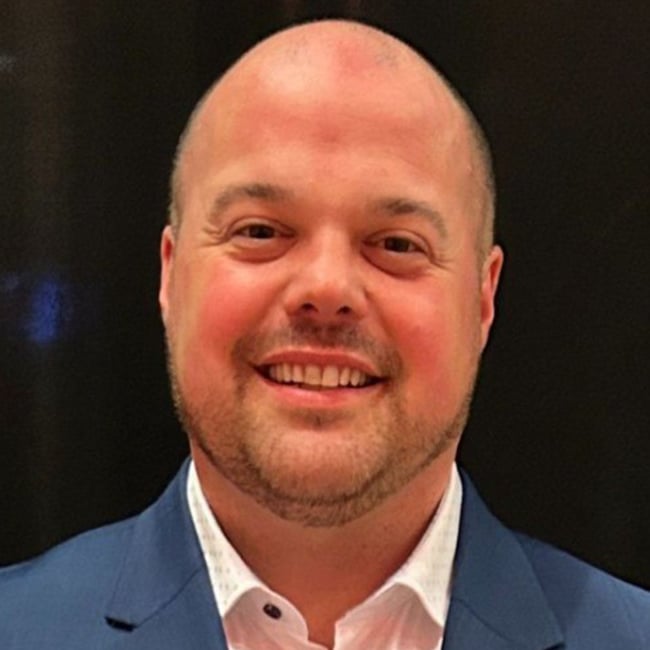
Josh Hannaberry
Senior Advisor, Strategic Partnerships, Alberta Motor Transport Association

EJ Klock-McCook
Senior Principal, RMI
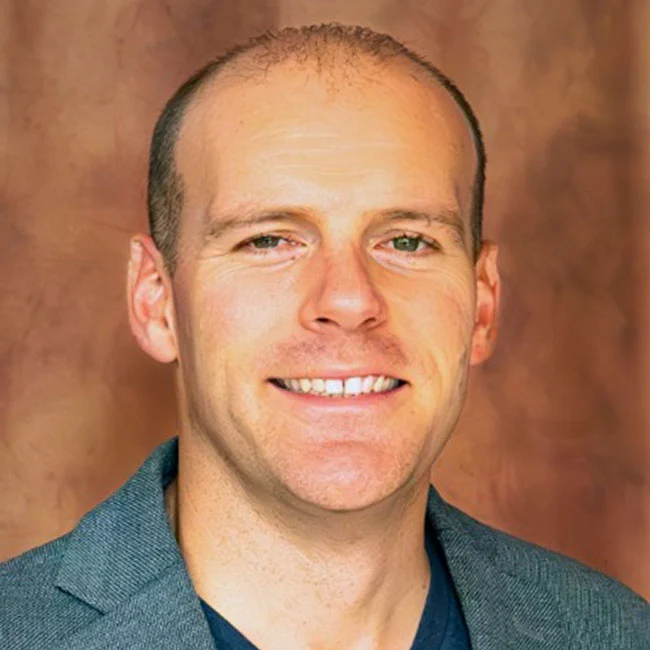
Robert Cruess
Chief Executive Officer and President, ZeroNox

Jordan Groeneveld
Lead Consultant, MOV3MENT
10:00 am – 10:45 am: Incentives in Flux: Navigating the New Funding Landscape
As the advanced transportation technology market evolves, so do the incentives shaping it. Federal, state, and utility programs are shifting in structure, timing, and scale—creating both opportunity and uncertainty for fleets, clean-tech developers, and infrastructure investors.
This session provides a grounded look at how today’s funding landscape is changing, where capital is flowing, and how to align projects with programs that still deliver value. Attendees will gain insight into which incentives are holding steady, which are in transition, and how to build flexible funding strategies that keep projects moving forward.
Why You Can’t Miss It:
- Funding updates: Get the latest on major awards, program renewals, withdrawals, and new opportunities driving investment in fleet and infrastructure projects.
- Program shifts: Understand how changing eligibility, timelines, and state priorities are reshaping access to public funding.
- Strategic stacking: Learn how fleets and developers are combining grants, tax credits, and private capital to close funding gaps and maximize ROI.
- Risk management: Explore practical ways to anticipate program sunsets, navigate compliance requirements, and protect project timelines.
- Actionable planning: Walk away with a clear strategy to map funding opportunities, align deployment timelines, and stay competitive in a changing market.
This session equips attendees with the insight and tools needed to stay ahead of incentive changes—and to secure the right funding mix in a rapidly evolving environment.
 Moderator
Brianna Sokolovsky
Vice President, Incentives, TRC Companies | Clean Transportation Solutions

Kolt Vaughn
Rulemaking and Strategic Initiatives Specialist, New Mexico Environment Department

Lauren Bailey
Senior Project Manager, NYSERDA

Alan Gassler
National Account Support and Zero Emission Analyst, PLM Fleet

Loren A. Smith, Jr.
Deputy Assistant Secretary, Office of the Assistant Secretary for Transportation Policy, U.S. Department of Transportation
10:45 am – 12:00 pm: Shippers & Carriers: What’s Driving Fleet Purchasing Decisions
Fleet customers are closely following the expanding capabilities of clean transportation and how those technologies impact costs. As companies’ goals change and supply chains adapt, shippers and carriers are rethinking purchasing decisions for freight fleets. This session explores the key drivers shaping fleet investments, from total cost of ownership and duty cycle alignment to fuel flexibility and regulatory exposure. Attendees will gain insights from both shippers and carriers as they develop strategies for the next decade.
Why you can’t miss it:
- Strategic sourcing: Understand how procurement teams evaluate powertrain options, supplier partnerships, and fleet vendors to meet sustainability and service goals.
- Cost drivers: Learn what leading shippers and carriers are doing to manage and mitigate factors such as fuel type, maintenance, uptime, and infrastructure which have the biggest impact on budgets.
- Duty cycle fit: Discover how route length, load type, and regional regulations are influencing vehicle choices.
- Industry perspective: Hear directly from shippers and carriers on how they select vehicles, fuels, and deployment partners.
This session helps fleet decision makers interpret evolving procurement signals and position their strategies for a changing market.
 Moderator
Nate Springer
Vice President of Market Development, TRC | Clean Transportation Solutions

Sean Falcone
Vice President Fleet Operations, Penske Transportation Solutions

Umar Javed
President and Co-Founder, WattEV
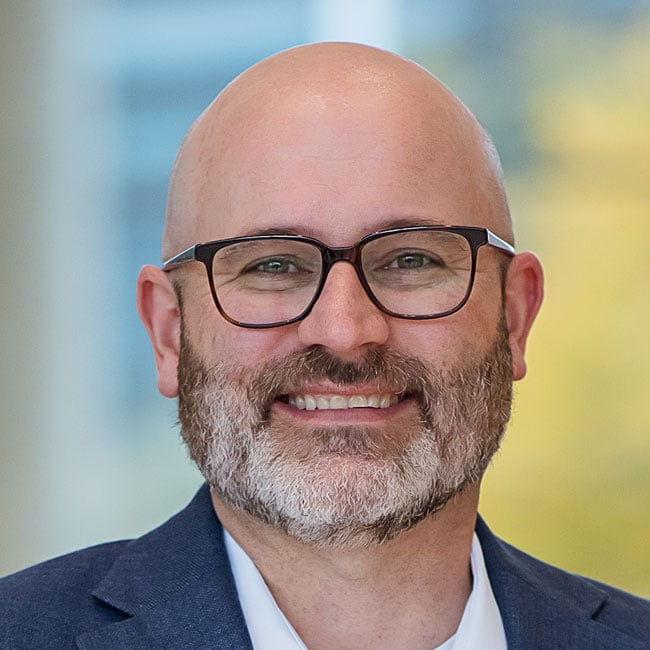
Peter Steuer
Senior Manager, Parts Supply Chain Planning, Toyota Motor North America

Nico De Golia
Director of Cloud Logistics Sustainability, Microsoft
Mainstage
2:00 pm – 2:10 pm: Welcome Remarks
2:10 pm – 2:35 pm: Keynote: Navigating Freight Disruption & Building the Next Logistics Era
Freight markets are shifting faster than at any point in recent memory. Demand volatility, trade realignment, and rising customer expectations are forcing carriers to rethink how they operate while advances in automation, AI, and fuel efficient technologies are redefining performance standards across the industry.
In his keynote, John Smith, incoming president & CEO of FedEx Freight, will share how North America’s largest LTL fleet is navigating disruption and building a smarter, more resilient logistics network.
What You’ll Hear:
- Freight Market Reality: How demand volatility, network complexity, and trade shifts are changing LTL and broader freight strategy
- Digitally Orchestrated Networks: How data, predictive analytics, and AI-driven logistics are improving capacity management and service reliability
- Operational Agility at Scale: What it takes to adapt large fleet networks quickly while protecting uptime and performance
- Lower-Carbon Freight Strategy: How major carriers are integrating sustainability into network design without sacrificing cost control
- Building the Next Logistics Era: Why intelligence, resilience, and trust will define competitive advantage moving forward
This keynote sets the tone for ACT Expo 2026 by grounding fleets in what’s possible today – and what will define success in the years ahead.
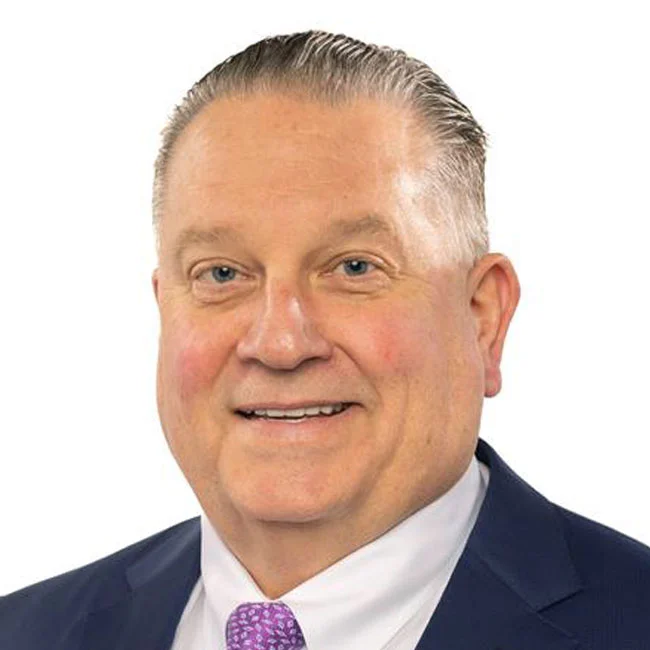
2:35 pm – 3:25 pm: Meeting the Moment – How Fleets are Navigating a Tumultuous World
The most forward-looking fleet executives in North America take the stage to confront change head-on. Facing volatile markets, evolving regulations, and a surge of breakthrough technologies, these leaders are rewriting the playbook for how fleets operate, invest, and compete. From connected, software-defined vehicles and advanced safety systems to AI-driven sustainability strategies, they’re redefining what performance and resilience look like in today’s transportation landscape.
Why you can’t miss it:
- Real strategies from real operators: Hear how the industry’s top fleet innovators are using digital platforms, telematics, and AI to unlock new levels of efficiency, reliability and enterprise value.
- Clarity amid endless choices: Discover how leading fleets are able to sort through the dizzying numbers of products available to them marked with “AI” or “digital” to find ones that provide true value and an ROI.
- The human side of transformation: Learn how organizations are leading through change—balancing innovation with workforce stability and cost control.
- A candid conversation: Explore the risks, missteps, and hard-earned lessons behind the rapid digital evolution of commercial transportation.
This is where the fleet community’s most respected voices reveal how they’re meeting the moment—and winning.
 Moderator
David Carson
Senior Vice President, Sales & Marketing, Daimler Truck North America
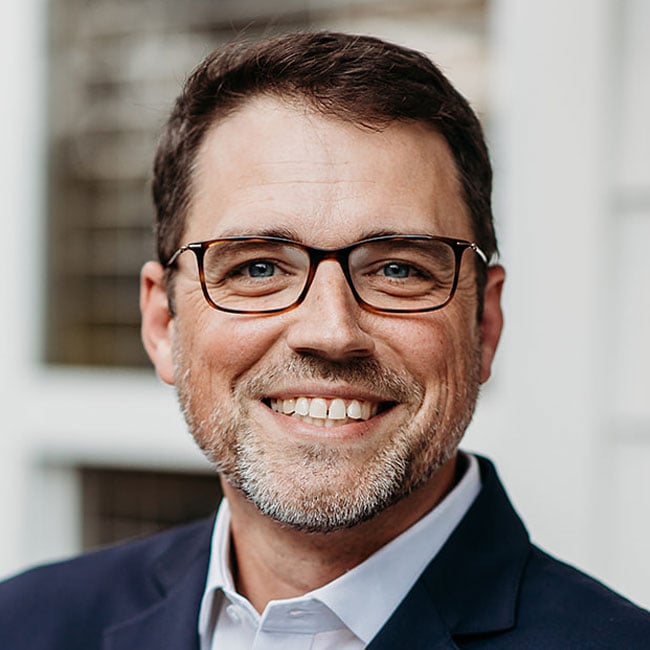
Austin Henderson
Chief Information Officer, FirstFleet
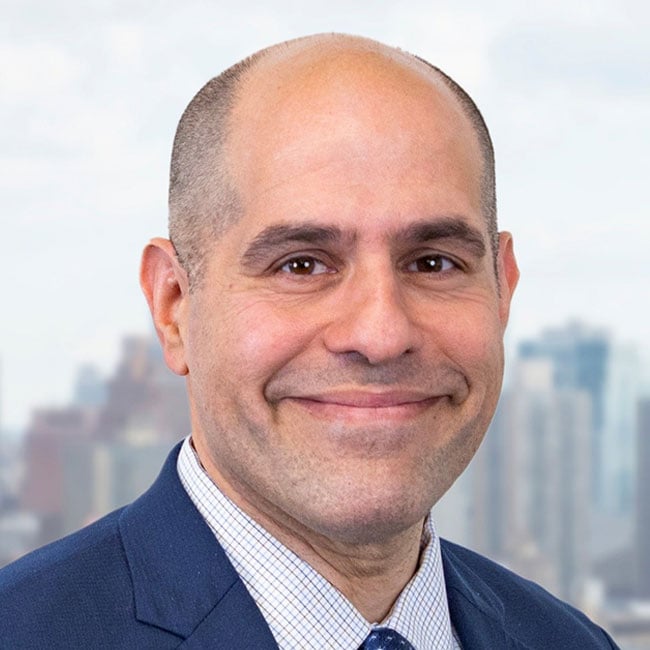
Keith Kerman
Chief Fleet Officer, Deputy Commissioner, NYC Department of Citywide Administrative Services
Paul Rosa
Senior Vice President Procurement and Fleet Planning, Penske Truck Leasing
Jeffrey Hermann
Chairman and Chief Executive Officer, Hermann Services
3:25 pm – 4:25 pm: A View from the C-Suite – Navigating Complexity and Change Through Innovation
The most influential OEM CEOs in commercial transportation take the stage.
Hear directly from the leaders shaping the future of trucks and technology as they reveal how they’re driving the transition toward cleaner, smarter, safer, and more efficient mobility solutions. This powerhouse discussion will showcase how connected technologies, AI, automation and alternative fuels are redefining vehicle performance and fleet operations—and what the next decade of OEM innovation means for the market.
Why you can’t miss it:
- Inside access: Get firsthand insights from the CEOs setting the strategy for global truck manufacturing and leading real-world deployments.
- Digital transformation in motion: Learn how data and software-defined design are revolutionizing vehicles and creating value and advantages for fleets.
- AI unleashed: See how predictive maintenance, driver-assist systems, and intelligent automation are increasing efficiency, uptime, cost-savings, and safety.
- A full portfolio Approach: Understand how OEMs are balancing clean diesel, EV, hydrogen, and renewable-fuel investments to stay ahead of global shifts.
This session defines the state of innovation from the people building the future.
 Moderator
Erik Neandross
President, TRC | Clean Transportation Solutions

Mathias Carlbaum
President and Chief Executive Officer, International
Jonathan Randall
President, Mack Trucks North America
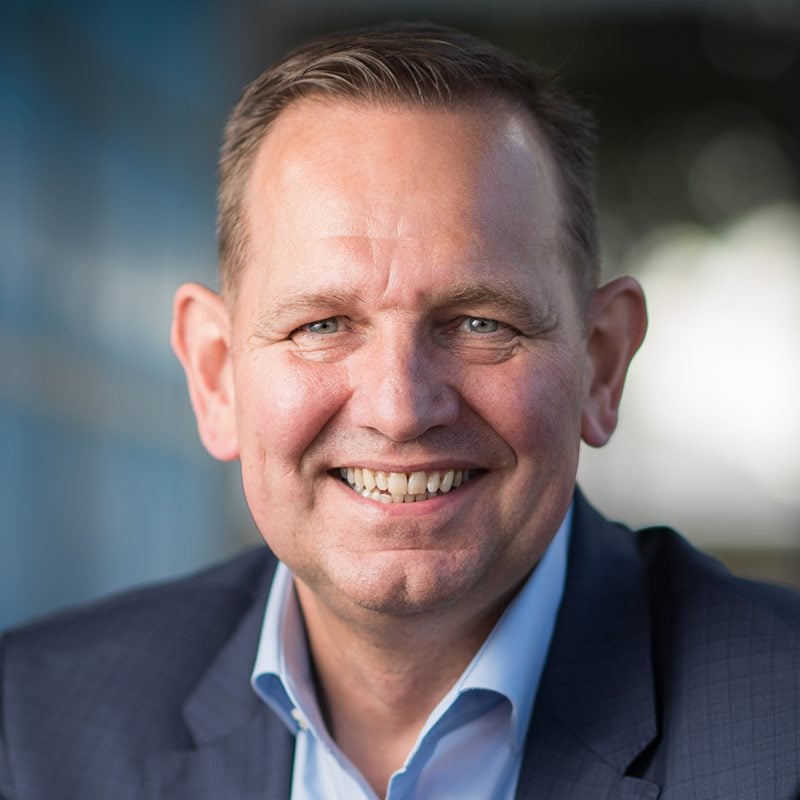
Peter Voorhoeve
President, Volvo Trucks North America
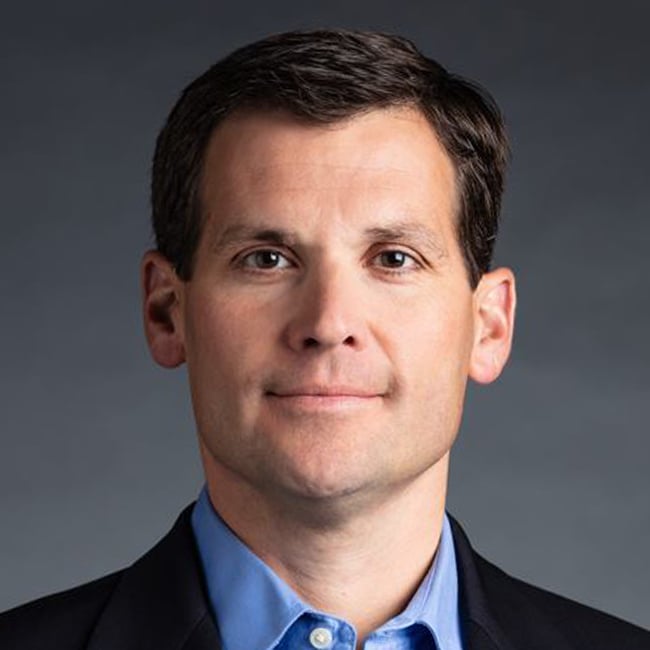
Brett Merritt
President, Engine Business, Cummins Inc.
Expo Hall Grand Opening – Welcome Reception
Explore the industry’s largest showcase of advanced fleet technologies. Featuring 500+ exhibitors, the Expo Hall brings together the vehicles, technologies, fuels, and digital solutions redefining fleet performance. Connect with leading suppliers, build new partnerships, and gain the market insights you need to identify solutions that strengthen safety, reliability, and ROI.
Expo Hall Theater North: Showcase – Fleets and Fuels
In a tricky market, fleets continue to innovate and deploy EVs and renewable fuels at scale. Diverse approaches that fit different needs collide with innovative testing approaches to enable fleets to make important choices in an effective and informed way. These presentations and panels demonstrate a commitment to innovation and iteration to achieve business and environmental sustainability.
The Takeaway
What fleets are learning about EVs and alternative fuels when technology meets real-world users—and how adoption and iteration determine whether investments deliver on their promise.
4:45 pm – 5:15 pm: Practical Insights on Scaling Electrification from Early Adopters



5:15 pm – 5:35 pm: Renewable fuels – a flexible option to reduce CO2 verified by digital fuel twin


5:35 pm – 5:45 pm: Breaking Barriers: Unleashing Linux for Safety Critical Applications
5:45 pm – 6:05 pm: The Power of Collaboration: Bridgestone & Penske’s Playbook for Cost-Efficient Decarbonization

Expo Hall Theater South: Showcase – Fleet by Fleet, Real Results
Presented by

There’s no one‑size‑fits‑all playbook in fleet operations. What works for school bus fleets, last‑mile, construction, or regional haul is shaped by duty cycle realities, infrastructure constraints, labor conditions, and the strengths of different technologies. These presentations and panels put those differences front and center through short, sector‑specific showcases that show how fleets are applying technology and strategy in real operating conditions—not idealized scenarios.
The Takeaway
How fleets in different sectors are moving from pilot to practice—and which approaches scale, transfer, or remain highly context‑dependent.
4:45 pm – 4:55 pm: Geofencing Strategies: A Roadmap for Greater Efficiency

4:55 pm – 5:25 pm: The Advantages of a Mixed Energy Fleet


5:25 pm – 5:50 pm: Commercial EV Proliferation: The Factors Driving EV Adoption Across Real-World Delivery Fleets
 Moderator
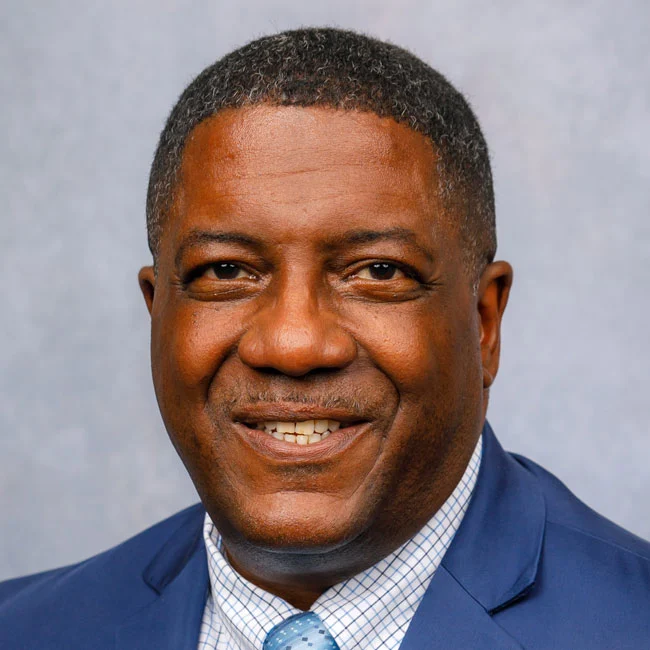
Thomas Wasson
Trucking Analyst, FreightWaves

John Harris
Co-Founder and Chief Executive Officer, Harbinger
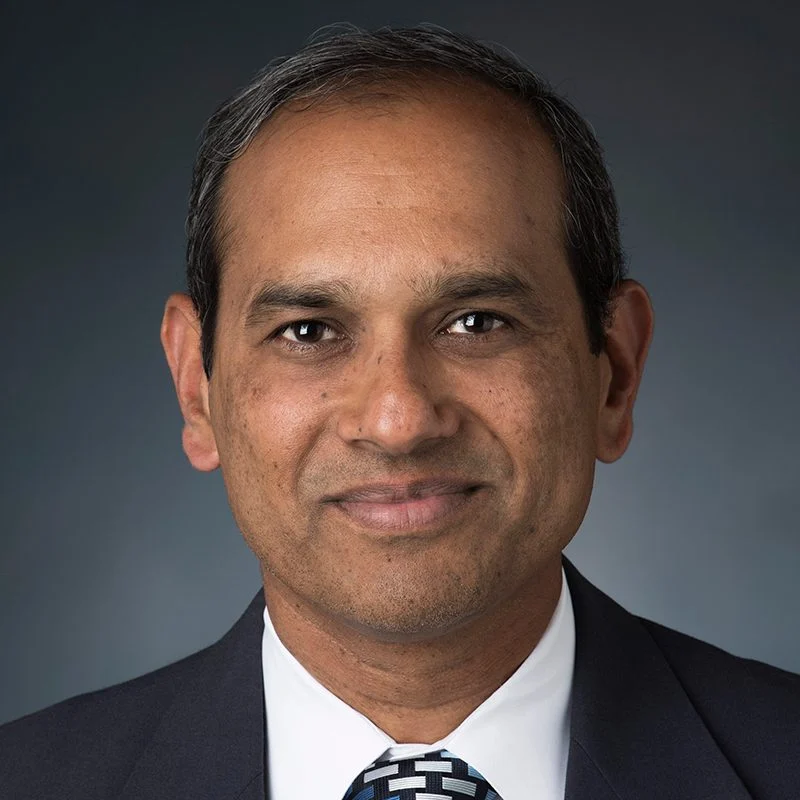
Arun Chickmenahalli
Director of R&D Maintenance, Ryder Truck Rental, Inc.
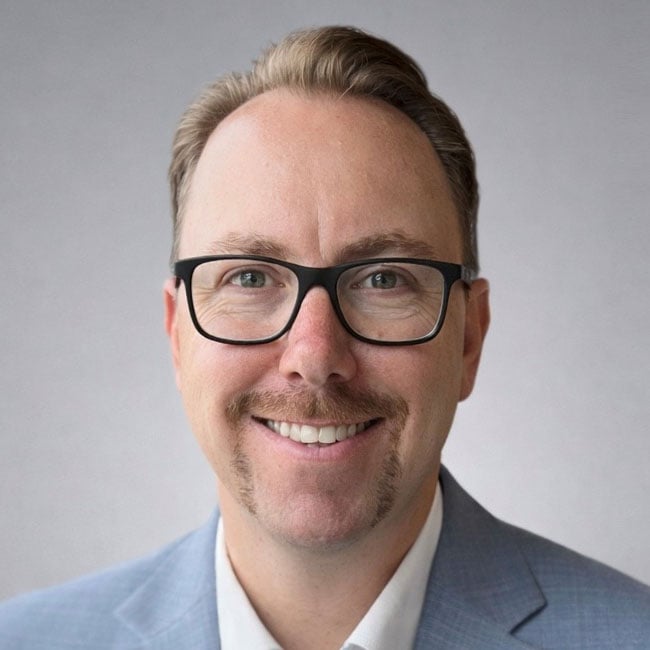
Sawyer Sparks
EV Truck Sales and Brand Manager, Vanguard Truck Centers
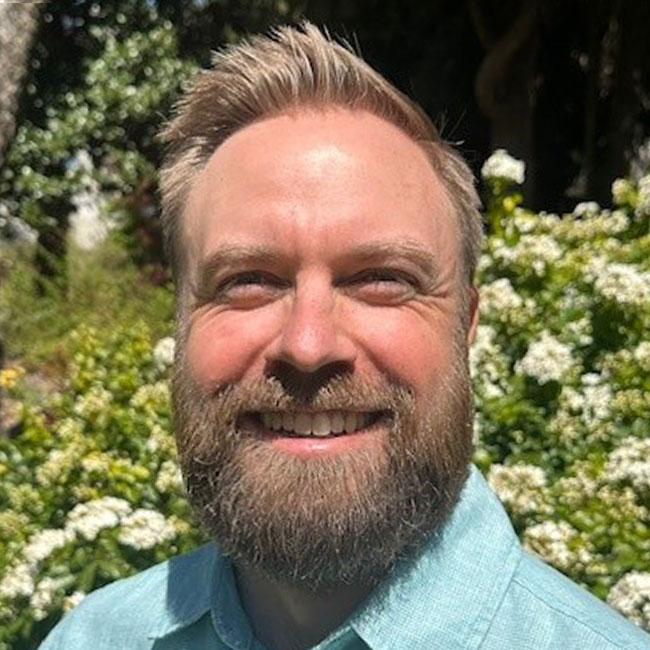
Eric Forslund
Electric Vehicle Acquisition Coordinator, City of Portland
5:50 pm – 6:00 pm: Scaling Electrification: Integration of Large Electric Construction Equipment in North American Fleets
6:00 pm – 6:30 pm: Electrification of a New England School District: Showcasing the Power of Public-Private Partnerships




Media Events
5:45 pm – 6:05 pm: Volvo Trucks – Booth 2937
Join Volvo Trucks North America for a first look at new innovations driving a “Together Towards Zero” future. From advanced powertrains to meet upcoming emission standards to electromobility solutions, discover what is next across Volvo for commercial transport.
Expo Hall Theater North: ACT Expo Fleet Awards
The ACT Expo 2026 Fleet Awards recognize fleet operators that are translating advanced transportation technologies into real operational results. These honors spotlight fleets that are improving efficiency, strengthening safety, and modernizing their operations through thoughtful deployment of vehicles, infrastructure, and digital tools. Spanning public and private fleets across multiple sectors, the awards highlight leadership not just in adoption, but in execution. Award recipients will be recognized live at ACT Expo 2026 for setting practical, replicable examples of fleet innovation in action.
Tuesday, May 05
Breakfast Session: Last Mile Fleet Sector – Powering the Final Stretch of Clean Delivery
The last mile of goods movement is transforming faster than any other segment. Driven by e-commerce growth, urban congestion, and rising sustainability expectations, delivery fleets are under pressure to meet customer demand while cutting costs and emissions.
This session features an exclusive panel of fleet leaders—the executives operating at the forefront of clean delivery transformation. Hear firsthand how they’re deploying electric and alternative-fuel vehicles, designing charging strategies, and adopting digital tools to meet performance, cost, and sustainability goals in one of the most demanding fleet sectors.
Why You Can’t Miss It:
- Fleet electrification in motion: Hear directly from fleet leaders deploying EVs and alternative-fuel vehicles to improve efficiency, reduce costs, and maintain delivery performance.
- Charging that fits the route: See how fleets are pairing right-sized charging strategies with right-sized trucks—specifying battery packs and vehicle configurations built for actual daily routes, rather than over-range designs that drive up cost, weight, and long-term maintenance impacts.
- Route optimization: Explore how emerging routing tools and data-driven planning approaches are helping last-mile fleets evaluate ways to reduce miles driven, manage energy use, and better align vehicle range with dense urban delivery demands.
- Real-world leadership: Gain practical insights from executives balancing customer expectations, infrastructure challenges, and business goals in the drive toward cleaner logistics
This session offers an authentic, real-world perspective from the fleets powering the last mile—showing how operational innovation and clean technology are redefining modern delivery.



Breakfast Session: Regional Haul & Drayage Fleet Sector – Advancing Clean Freight on the Regional Road
Regional haul and drayage fleets are redefining what’s possible in clean freight movement. Operating at the crossroads between local and long-haul routes, these fleets are leading innovation in duty cycles where zero-emission, renewable fuel, and advanced efficiency solutions are beginning to scale.
This session features an exclusive panel of fleet leaders from across regional and port operations, joined by the North American Council for Freight Efficiency (NACFE) to share insights from field research and fleet experience. Hear firsthand how fleets are deploying clean technologies, optimizing routes, and planning for future infrastructure and equipment needs across both regional and drayage sectors.
Why You Can’t Miss It:
- Fleet-led insights: Hear from operators whose trucks are generating real-world performance data across multiple powertrains capturing second-by-second energy use, duty-cycle variation, and operational trade-offs that shape technology decisions in regional and drayage applications.
- Research in action: Learn how NACFE’s data and field studies inform fleet decision-making and validate real-world performance across diverse routes and duty cycles.
- Operational integration: Discover how fleets are addressing infrastructure planning, charging and fueling logistics, and route management to maintain uptime and profitability.
- Scaling success: Gain practical take-aways from NACFE’s most recent Run on Less demonstrations on how the latest clean technologies—including highly efficient diesel, natural gas engines, BEVs, and hydrogen cells—are being integrated into commercial operations, and what that means for cost, efficiency, and emissions.
This session offers an authentic, fleet-driven perspective—featuring real-world lessons from regional haul and drayage leaders, supported by NACFE’s research and insights that help move the entire industry forward.
 Moderator
Michael Roeth
Executive Director, NACFE
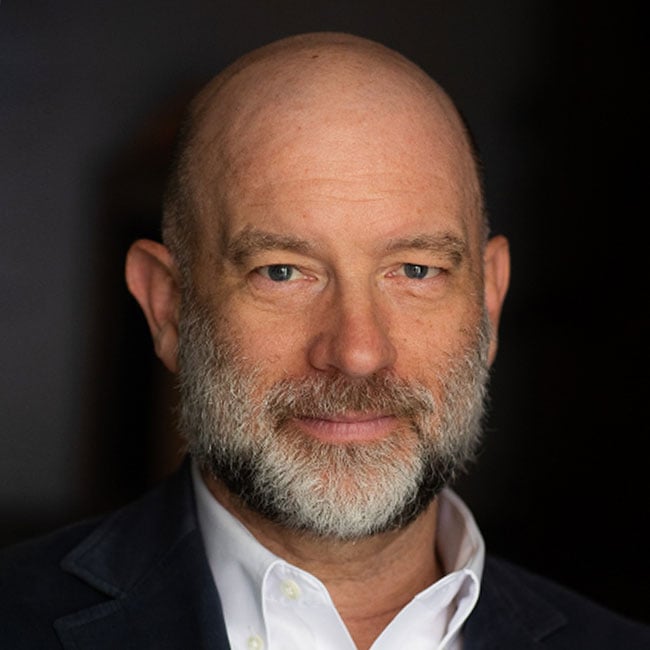
Matt McLelland
Vice President of Sustainability and Innovation, Covenant Logistics

Jennie Abarca
Chief Executive Officer, King Fio Trucking
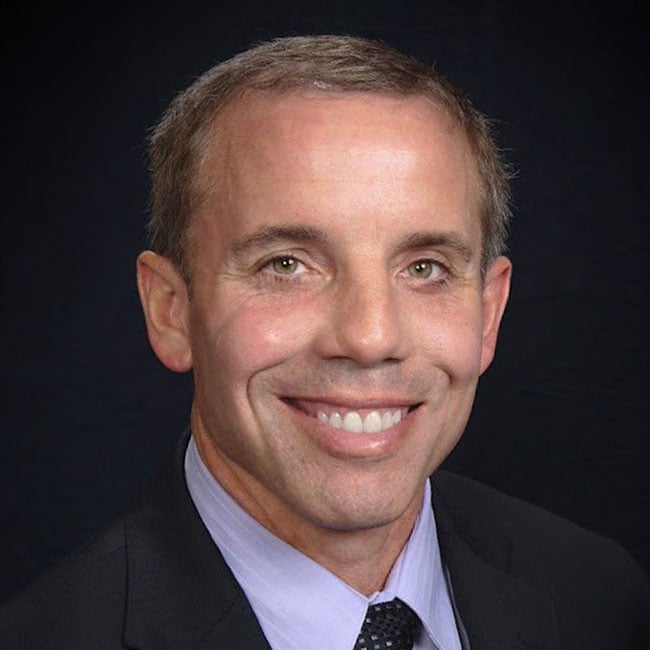
Dr. Dean Bushey
Director of Programs, NACFE

Ken North
Emerging Technologies Consultant, NACFE

Emilia Sibley
Emerging Technologies Consultant, NACFE

Isaac Ritter
Senior Project Leader – Sustainability, J.B. Hunt Transport Services, Inc.
Breakfast Session: Transit Fleet Sector – What It Takes to Deliver Reliable Service
Moving people is getting harder. Expectations for reliability, comfort, and performance keep rising—while fleets face aging assets, tight budgets, and rapid technology change. For transit systems and private mobility operators alike, the margin for error is shrinking.
This candid, peer-only breakfast brings together leaders responsible for public transit, contracted services, and private people-mobility fleets to cut through the noise and focus on what actually keeps vehicles in service and riders moving.
Why you can’t miss it:
- Reality over rhetoric: What’s working in daily service—and where reliability, uptime, and maintenance challenges still surface
- Operations-first planning: How fleet and infrastructure decisions hold up once vehicles hit real routes and schedules
- Cost, risk, and accountability: Managing lifecycle costs, funding uncertainty, and stakeholder expectations without compromising service
- Getting the timing right: Sequencing fleet and infrastructure changes to protect reliability, workforce readiness, and rider trust
This breakfast is for transit and people-mobility decision-makers who want unfiltered insights from peers—before their next procurement, infrastructure investment, or service expansion decision.

Breakfast Session: Work Truck Fleet Sector – Powering the Tools That Keep America Moving
From utilities and construction to public works and field services, work trucks keep America running. These fleets perform essential tasks that demand reliability, performance, and uptime—regardless of terrain, weather, or workload. As technology and expectations evolve, fleet leaders are exploring how electrification, hybridization, and alternative fuels can strengthen operations while lowering costs and emissions.
This session features an exclusive panel of fleet leaders from across the work truck sector. Hear directly from the operators managing diverse fleets, complex duty cycles, and job-site requirements as they deploy clean technologies, reimagine fueling and charging strategies, and integrate smarter systems to support crews in the field.
Why You Can’t Miss It:
- Technology built for the job: Hear how fleet leaders are adopting electric, hybrid, and alternative-fuel work trucks that meet real operational demands without compromising capability.
- Infrastructure that fits the mission: Learn how charging and fueling strategies are being customized for depots, job sites, and remote field operations.
- Smarter, data-driven operations: See how connected vehicle platforms and telematics are improving routing, maintenance, and asset utilization.
- Practical transition pathways: Gain firsthand insights on cost management, procurement planning, and workforce training as fleets modernize their operations.
This session offers an authentic look at how work truck fleet leaders are turning innovation into action—building cleaner, more capable, and more resilient operations for the road and job site alike.
 Moderator
Dr. Mihai Dorobantu
Director, Advanced Technology, Eaton Mobility Group

Austin Vuong
Associate Environmental Planner, Port of Oakland

Jameson Reichert
Fleet Engineer – Expert, Pacific Gas & Electric Company
Raul Fletes
Fleet Services Manager III, Los Angeles Department of Water and Power (LADWP)
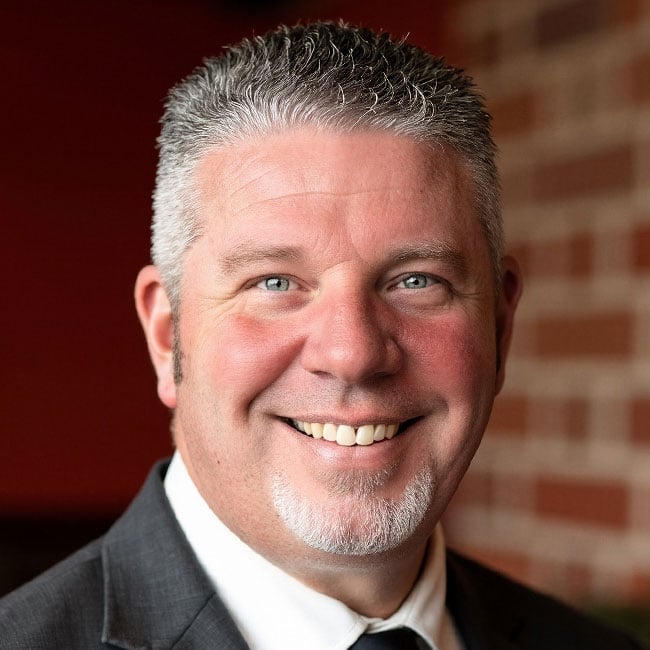
TJ O’Connor
General Manager, West/Southwest – Supply Chain, Admix, Aggregates Transport, Cemex
Mainstage
9:00 am – 9:10 am: Welcome Remarks
9:10 am – 9:55 am: The Emerging AI Ecosystem: How Software Is Redefining Fleet Strategy
Artificial intelligence is revolutionizing fleet management by optimizing charging, predicting maintenance, redefining vehicle architecture, and turning data into strategic advantage. As “everything-is-AI” hype floods the market, fleets are under pressure to separate signal from noise and understand what delivers real value today. Yet as the power of AI accelerates, so do the risks. Fleets face rising cybersecurity threats, new data integrity challenges, and the possibility of becoming overly dependent on systems that are still evolving. This session cuts through the hype to focus on tangible, fleet-ready AI use cases already improving operations today. In this executive-level mainstage session, fleet and technology CEOs will examine both the opportunities and the limitations of AI, grounding the discussion in real-world deployments rather than theoretical promise, revealing how they deploy software intelligence to increase uptime, efficiency, and safety while safeguarding the people, assets, and decisions that keep their businesses moving.
Why you can’t miss it:
- Executive insight: Hear directly from fleet and technology CEOs who are shaping the digital future and prioritizing software investments that deliver measurable results.
- From hype to reality: Understand which AI applications are delivering value today—and which claims fleets should approach with caution.
- Actionable innovation: See how software-defined systems and predictive analytics are improving routing, charging, maintenance, and driver performance right now, not five years out.
- Opportunity and risk: Learn where AI is producing real operational gains and how to manage the increasing complexities of data governance and cybersecurity.
- Strategic foresight: Understand which AI capabilities fleets must develop today to remain competitive and how to scale them responsibly.
This mainstage session gives fleet leaders the confidence and clarity to harness AI’s full potential, making informed, disciplined decisions in a rapidly evolving AI landscape, striking the right balance between innovation and discipline, speed and safety, and technology and human expertise.
Moderator
Erik Neandross
President, TRC | Clean Transportation Solutions

Johan Lundén
Chief Executive Officer, Coretura AB

Sherry Sanger
Executive Vice President Strategy and Marketing, Penske Transportation Solutions

Jack Kennedy
Chief Executive Officer, Platform Science

Daragh Mahon
Executive Vice President and Chief Information Officer, Werner Enterprises
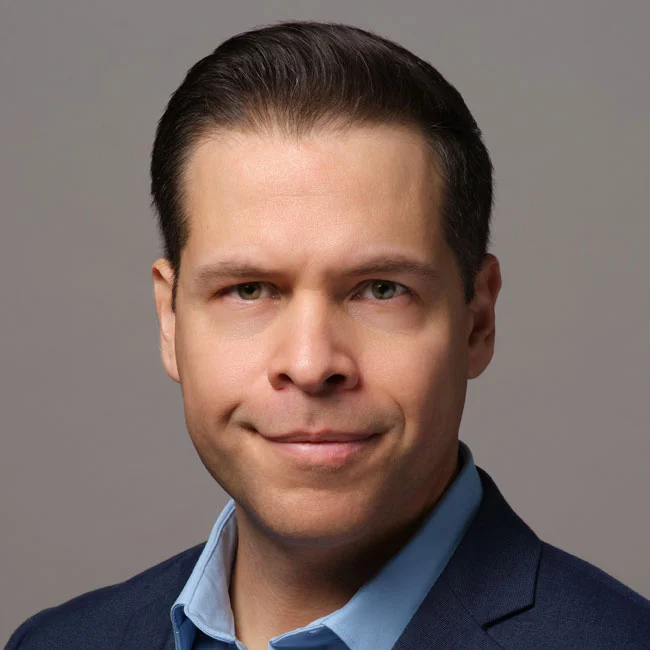
Dayan Rodriguez
Corporate Vice President, Global Manufacturing and Mobility, Microsoft
9:55 am – 10:25 am: Keynote: Driving Commercial Vehicle Innovation
The commercial vehicle industry is on a never-ending quest to optimize performance, safety, efficiency, and productivity. Rapid advancements in powertrain technology, vehicle design, and digital integration are reshaping how fleets purchase, operate, maintain commercial vehicles that deliver results. This keynote will examine how leading manufacturers continue to innovate and evolve equipment design, manufacturing, and service models to meet the demands of today’s commercial fleet customers.
Attendees will gain insight into how the industry is balancing proven performance with next-generation engineering—integrating advanced combustion, clean fuels, and connected systems to deliver greater efficiency, reliability, safety, and a proven total cost of ownership.
Why You Can’t Miss It:
- Industry leadership: Hear how the commercial vehicle sector is leveraging decades of experience to deliver higher-performing, more efficient, and more durable products and services for their customers.
- Technology in action: Learn how innovation in powertrains, software-based controls, aerodynamics, and other forms of vehicle intelligence is driving gains in fuel economy, productivity, safety, and uptime.
- Fleet-driven priorities: Understand how operational data, lifecycle cost, and the driver experience are guiding product development and investment decisions.
- Looking ahead: Explore how manufacturers are preparing for a future defined by software defined vehicle platforms and digital connectivity, advanced automation, and new energy solutions.
This keynote offers a front-row view into how the commercial vehicle industry is pushing the boundaries of performance and innovation—building the next generation of smarter, tougher, and more efficient cars and trucks.

10:25 am – 11:15 am: The Virtual Driver Revolutionizing Trucking and Logistics
Meet the CEOs, Presidents, and technologists leading the charge toward fully autonomous freight. From Silicon Valley innovators to global OEM partners, this is the definitive conversation on how automation is transforming supply chains, reducing costs, and solving the industry’s toughest challenges.
- Exclusive insights from the top: Hear directly from the leaders behind today’s most advanced autonomous truck technologies and demonstration programs.
- From pilot to profit: Learn how real-world deployments and collaborations with OEM partners are delivering measurable efficiency and capacity gains.
- Behind the breakthroughs: See how new digital tools and sensor technologies are being applied to support drivers, streamline operations, and reduce risk.
- Safety first: Unpack how safety cases are built, tested, validated, and communicated to set the bar for commercial deployment.
- The policy frontier: Discover how regulators, insurers, and infrastructure leaders are preparing for autonomy.
- Beyond the technology: Confront the social and economic implications of a driverless world.
This is the future of freight, told by the people building it.
 Moderator
Olivia Hu
Head of Autonomous Trucking, Uber Freight

Ossa Fisher
President, Aurora

Don Burnette
Founder and Chief Executive Officer, Kodiak

Raquel Urtasun
Founder and Chief Executive Officer, Waabi

David Liu
Founder and Chief Executive Officer, PlusAI

Dr. Peter Vaughan Schmidt
Chief Executive Officer, TORC
Expo Hall
Explore the industry’s largest showcase of advanced fleet technologies. Featuring 500+ exhibitors, the Expo Hall brings together the vehicles, technologies, fuels, and digital solutions redefining fleet performance. Connect with leading suppliers, build new partnerships, and gain the market insights you need to identify solutions that strengthen safety, reliability, and ROI.
Ride & Drive
Experience today’s most advanced fleet technologies in action. Across all vehicle weight classes and applications, the Ride & Drive puts you behind the wheel of commercially available renewable fuel, battery-electric, hydrogen, autonomous, and AI-enabled vehicles. Feel the power of the newest drivetrains, the confidence of next-generation safety systems, and the intelligence of connected fleet tools, all delivering measurable improvements in efficiency, uptime, and sustainability.
Expo Hall Theater South: Showcase – Transportation Electrification – EVs
Electric vehicles are moving quickly from questions like “can this work?” to “can this run reliably at scale and my bottom line?”. Power availability, charging performance, and grid coordination are now central operational concerns. These presentations and panels examine how fleets are powering electric transportation today and what is shaping the next phase of EV deployment.
The Takeaway
How fleets are managing charging, vehicle readiness, and power demand as they scale EV operations without increasing operational risk.
11:45 am – 11:55 am: Powering Fleets at Scale: How the Zeem Solutions KIT and Mobile Batteries are Revolutionizing Commercial EV Infrastructure

11:55 am – 12:25 pm: Unlocking Grid Innovation with Future-Proof Hardware, Software and Storage
 Moderator
Dario Pagani
Vice President, Marketing and Communications, Autel Energy

Sashko Stubailo
Co-Founder and Chief Technology Officer, Flipturn
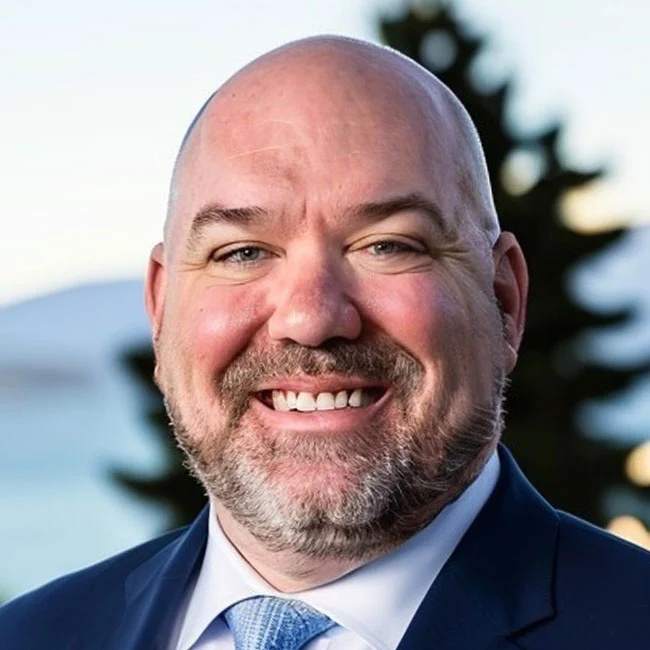
Michael DiNucci
Chief Revenue Officer, AmpUp

Amy Dobrikova
Vice President, Business Development, Rexel Energy Solutions
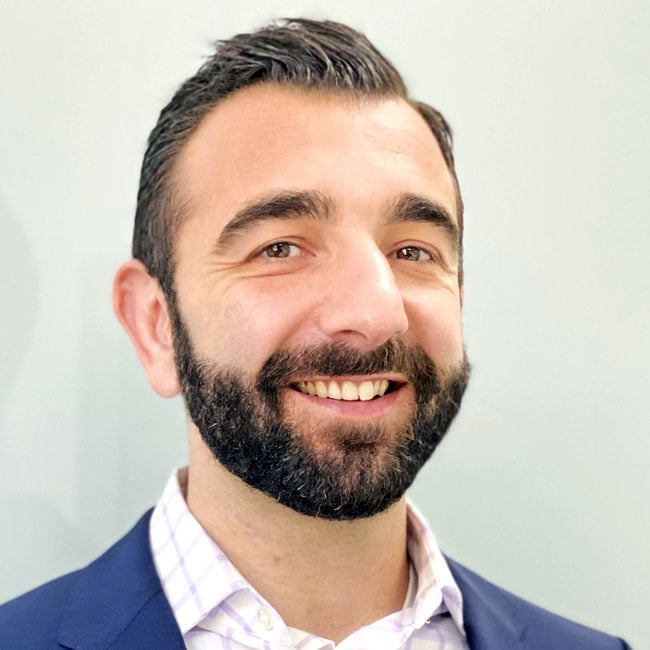
Vincent Pellecchia
Vice President of Strategy and Revenue, Roundtrip EV Solutions
12:25 pm – 12:35 pm: Scaling EV Charging at Enterprise Scale: Lessons from the Field

12:35 pm – 12:45 pm: Confident Fleet Planning in a Shifting Landscape

12:45 pm – 12:55 pm: ZM Trucks Presentation
12:55 pm – 1:05 pm: A New Playbook for Efficient, Sustainable Urban EV Fleets

1:05 pm – 1:15 pm: Owner’s Engineer Approach for EV Charging Program Success

Expo Hall Theater North: Showcase – Hydrogen
Hydrogen fuel cell vehicles are moving past pilots and into active fleet use, especially in applications where range, fast refueling, and payload flexibility really matter. At the same time, fleets are working through real constraints around fueling access, cost, uptime, and long‑term support. These presentations and panels look at where fuel cell vehicles are operating today, what’s being learned once they’re in daily service, and what still needs to line up for broader deployment.
The Takeaway
What early deployments are revealing about hydrogen’s readiness for broader fleet adoption—and how infrastructure, cost, and operations shape near‑ and long‑term viability.
11:45 am – 11:55 am: Interim Hydrogen Fuelers – A Case Study

11:55 am – 12:35 pm: Unlocking the Potential of Hydrogen Fuel Cell Trucks through use-case centric approach
Moderator
Patrick Couch
Senior Vice President, Technical, TRC Companies | Clean Transportation Solutions

Rick Breunesse
Commercial Lead, SYMBIO North America

Tyler Flynn
Vice President of Procurement, Savage Companies
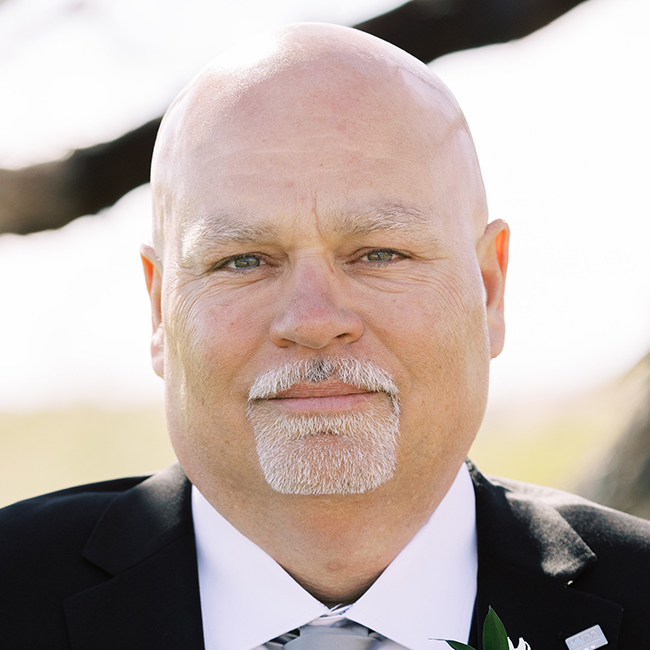
Marty Tufte
Corporate Fleet Director, WM

Parker Meeks
Chief Executive Officer, Utility Global
12:35 pm – 12:45 pm: Hydrogen in Commercial Applications: Solving the Challenges of High Duty Cycle Use Cases

12:55 pm – 1:05 pm: Developing a Next Gen Multi Fuel Travel Plaza

1:05 pm – 1:15 pm: Hydrogen Safety in the Real World: What Experience Is Teaching Us

Invitation-Only: Annual Utility Innovation Roundtable
Hosted by:

This invitation-only, discussion-led roundtable convenes utilities, vehicle and infrastructure OEMs, and fleet leaders for a candid, highly interactive conversation on the real opportunities—and real constraints—of vehicle-to-everything (V2X). Designed as a working session rather than a traditional panel, this forum actively engages participants to pressure-test ideas, compare pilot experiences, and identify what it will take to move V2X forward.
Utilities will share lessons from live pilots and emerging programs, OEMs will discuss technology readiness and interoperability challenges, and fleet leaders will bring an operator’s perspective on value, risk, and deployment interest. Together, the group will tackle what’s needed to expand V2X into new service territories, new fleet segments, and new industries—and how to move from pilots to broader, more repeatable deployment.
This is a closed-door, off-the-record conversation designed to surface practical insights, unresolved barriers, and near-term opportunities that can shape the next phase of V2X collaboration.
To inquire about attending, please contact JoAnne Golden at jgolden@trccompanies.com.
 Moderator
Dan Janosec
Senior Director, Clean Transportation Solutions, TRC | Clean Transportation Solutions
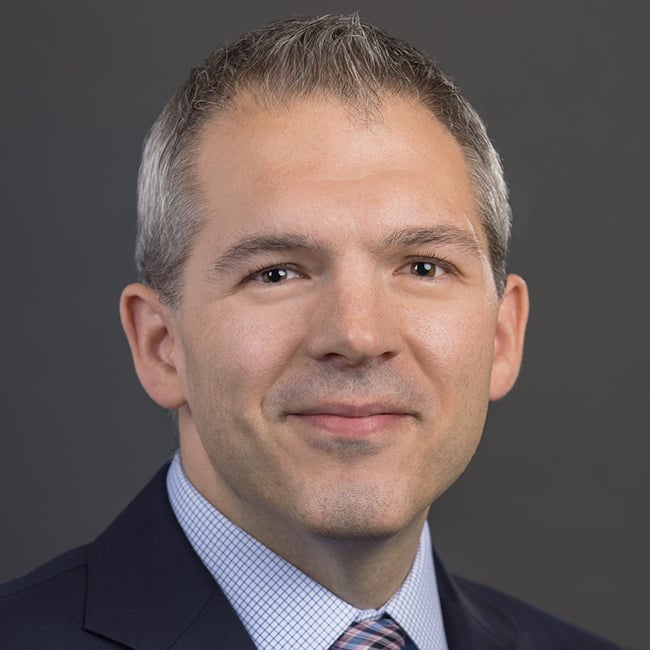
Matt Green
Senior Vice President, Integrated Planning and Advisory Services, TRC Companies
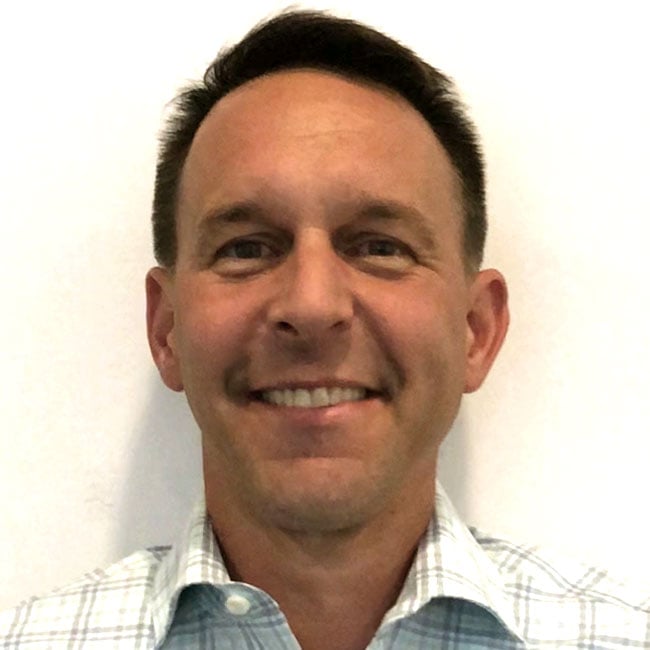
Josh Ingalls
Advanced Grid, Clean Energy, and EV Product Innovation, Xcel Energy

Rudi Halbright
Expert Product Manager Vehicle-Grid Integration, Pacific Gas and Electric

Vinny Riscica
Section Manager of Con Edison Medium- and Heavy-Duty (MHD) Infrastructure Program, Con Edison
Media Events
2:15 pm – 2:30 pm: Greenlane – Booth 2567
Join Greenlane as they announce network expansion news and strategic partnerships to accelerate zero-emission freight. Discover how they are scaling high-power corridor charging to improve fleet operational efficiency.
2:45 pm – 3:00 pm: Powertech Labs – Booth 2573
Join Powertech Labs for an exclusive media event showcasing a high‑capacity, smart hydrogen tube trailer engineered to support scalable, cost-effective mobility and refueling.
3:15 pm – 3:30 pm: ABB E-mobility – Booth 3601
Join ABB E-mobility for a media briefing featuring the latest charging infrastructure updates designed for the highest duty cycles.
3:30 pm – 4:00 pm: Mack Trucks – Booth 3633
Get ready for Mack’s most powerful MP13 engine in its history as Mack unwraps its EPA 2027 powertrain strategy.
Sustainable Fleets: Uncertainty Today, Resilience Tomorrow
Join executives from Penske, Volvo, and Uber Freight to hear their interpretation of the ongoing uncertainty in the fleet market and how advanced, clean technology builds resilience for fleets. This panel sets the record straight on developments in renewable fuels, efficiency, natural gas, electric, propane, and hydrogen fuel cell vehicles over the last year. Panelists and audience will discuss the state of artificial intelligence and autonomous vehicles in fleet management and their outlook for all these advanced technologies in the future of fleet.
Expo Hall Theater South: Showcase – Transportation Electrification – Battery Tech
After understanding how battery choices affect day‑to‑day EV performance, fleets are now grappling with what comes next. As deployments scale, attention is shifting from chemistry basics to degradation in real service, fast‑charging impacts, warranty exposure, second‑life use, and end‑of‑life responsibility. These presentations and panels examine how battery behavior over time is shaping operational strategy, risk management, and total cost of ownership for fleets already deep into electrification.
The Takeaway
How battery technology decisions directly affect uptime, charging strategy, maintenance planning, and long‑term cost exposure in fleet EV operations.
1:20 pm – 1:30 pm: Transforming Fleets Through Electrification: Production-Scale Adoption of U.S.-Manufactured Battery Systems for Commercial Vehicles
1:30 pm – 1:40 pm: Engineering the Future of Transportation, Today

1:40 pm – 1:50 pm: The Evolution of EV Technology: Driving Tomorrow’s Fleet Economics

1:50 pm – 2:00 pm: Safer, Stronger, Longer: North American Ceramic Separator Lithium-Ion Batteries for Heavy-Duty Electrification

2:00 pm – 2:10 pm: Simulation of thermal runaway propagation in Li NMC battery pack

2:10 pm – 2:20 pm: CSI’s Innovative 12V Sodium-Ion Starter Batteries are Changing the Total Cost of Ownership for Heavy Duty Commercial Fleets and Transit Buses

2:20 pm – 2:30 pm: Advanced Thermal Management as the Cornerstone of Off-Highway Electrification

2:30 pm – 2:40 pm: Beyond Just Plugging In: Designing Resilient, Configurable Charging Infrastructure for Fleet Success

2:40 pm – 2:50 pm: Advances in Starter and APU Battery Technology in Long-Haul Trucking: A Case Study from the Road
2:50 pm – 3:10 pm: IMMERSAFE™ by EVT Batteries: Thermal Runaway Prevented

Expo Hall Theater North: Showcase – Gaseous Fuels
Fuels like renewable natural gas and propane are already in day‑to‑day fleet service, delivering emissions reductions without waiting on future infrastructure or vehicle platforms. With established fueling networks in many regions and proven vehicle capabilities, these fuels are being used today where they make operational sense. These presentations and panels look at how fleets are deploying gaseous fuels in real operations—and why they continue to be practical, reliable options for specific applications.
The Takeaway
Where gaseous fuels are delivering reliable emissions reductions today—and how fleets are assessing fit, performance, and infrastructure readiness in daily operations.
1:30 pm – 2:00 pm: Low-Carbon and Renewable Fuels – Clean, Proven, Ready: CNG and RNG for Today’s Fleet Needs
 Moderator
Marc Rowe
Director of Sales, Love’s Travel Stops – Alternative Energy
Dave DeMoss
Co-Founder and Executive Leader, Midwest Logistics Systems

Imon Udeuhi
General Manager Alternative Fuels & Fuel Delivery Systems, Cummins Inc.
Jared Stedl
Chief Commercial Officer, Paper Transport

Jerrod Mounce
Vice President of Energy and Sustainability, J.B. Hunt Transport Services, Inc.
2:00 pm – 2:10 pm: Hexagon Agility Keynote Presentation

2:10 pm – 2:30 pm: Beyond the Bin: A Blueprint for Waste-to-Energy Partnerships Driving Fleet Decarbonization
2:30 pm – 3:00 pm: CNG in Practice — Lessons Learned, Benefits Realized, Technology Deployed



AI Workshop
Approved by
2 CE
Hours
2 CAFM®
Recertification Points
This ACT Expo session is approved by NAFA Fleet Management Association for Continuing Professional Education (CPE), which may be applied towards CAFM® recertification credit, and Green Business Certification Inc.™ (GBCI®) for Continuing Education hours. Membership in NAFA or GBCI® is not required to attend this session.
2:00 pm – 2:55 pm: AI Bootcamp: Understanding Artificial Intelligence for Commercial Fleets
Artificial intelligence is reshaping every aspect of fleet operations—from maintenance and routing to safety and performance optimization. This introductory bootcamp breaks down what AI really means for commercial fleet operations—separating real-world applications from the buzzwords.
Attendees will gain a clear understanding of how data-driven intelligence is transforming fleet management, where AI can make the biggest operational and cost impact today, and how it will influence the future of connected and automated transportation systems.
Why You Can’t Miss It:
- Foundations first: Build a clear understanding of AI, how it differs from traditional analytics, and where it fits into modern fleet operations.
- Operational efficiency: Learn how AI is being applied to reduce downtime, improve maintenance cycles, and boost asset utilization across diverse fleet types.
- Smarter decision-making: See how machine learning and predictive modeling are driving more accurate dispatching, routing, and driver support systems.
- Strategic advantage: Understand how early AI adoption strengthens fleet competitiveness and prepares operations for the next generation of connected vehicles.
This session gives fleet and technology leaders a practical foundation in AI—providing the knowledge and tools to identify, implement, and scale solutions that deliver measurable value. The world of AI is huge and while this session will not cover every use case and technology, ACT Expo attendees will find themselves more prepared to interact with these technologies.
 Moderator
Bodi Bou Hamdan
Director, Strategic Initiatives, TRC Companies | Clean Transportation Solutions

Blake Kashiwagi
Chief Technology Officer, Coretura AB

Daniel Nieh
Chief Executive Officer and Co-Founder, SPARQ

Kevin Smallhorn
Director – Strategic Partnerships, Noregon Systems

Syed Zaidi
Vice President, Digital Solutions, International
3:00 pm – 3:55 pm: AI in Action: What’s Real and What Fleets can Use Today
Artificial intelligence is no longer just a concept—it’s already reshaping how fleets manage maintenance, safety, routing, and performance. But with so many tools entering the market, knowing what’s real and what’s ready matters more than ever.
This session cuts through the noise to showcase the AI tools fleets can use now—helping operators focus their time and investment where it counts most. Attendees will hear from leaders applying AI to solve day-to-day challenges and walk away with a clear understanding of which technologies deliver immediate value—and which are still on the horizon.
Why You Can’t Miss It:
- Proven applications: Learn which AI-driven solutions are already improving maintenance, logistics, and energy management for commercial fleets.
- Fleet case studies: Hear firsthand how early adopters are using AI to increase uptime, reduce operating costs, and enhance driver safety.
- Integration in practice: Discover how fleets are incorporating AI into existing management platforms, workflows, and decision-making processes.
- Future readiness: Gain insight into how AI capabilities are evolving and how today’s investments can position your fleet for next-generation technologies.
This session takes a practical look at how AI is being deployed across fleet operations today, highlighting real results in uptime, safety, and cost reduction.
 Moderator
Ted Valin
Senior Director Fleet Management, DHL Supply Chain
Ralph Dimenna
Chief Commercial Officer, Aperia Technologies Inc

Sunjay Dodani
Chief Executive Officer and Co-Founder, Revvo Technologies, Inc.

Andrew Smith
Chief Executive Officer, Outrider Technologies, Inc
Jagmeet Singh
Senior Vice President, EXL
Automation in Action Workshop Pt. 2
Approved by
2 CE
Hours
2 CAFM®
Recertification Points
This ACT Expo session is approved by NAFA Fleet Management Association for Continuing Professional Education (CPE), which may be applied towards CAFM® recertification credit, and Green Business Certification Inc.™ (GBCI®) for Continuing Education hours. Membership in NAFA or GBCI® is not required to attend this session.
2:00 pm – 2:55 pm: Powering Autonomy: Building the Next Generation of AV Charging Hubs
As autonomous vehicles move from testing to real deployment, charging infrastructure must evolve to match their unique operational demands. Automated fleets require charging hubs that can handle high power, high throughput, and minimal human intervention—all while maintaining reliability and cost efficiency.
This session explores how fleets, infrastructure developers, and technology partners are designing the next generation of AV charging hubs. Attendees will gain insight into the strategies, technologies, and system designs that make fully automated, large-scale charging operations possible.
Why You Can’t Miss It:
- AV-ready infrastructure: Learn how next-generation charging hubs are being engineered for autonomous fleets, with high-capacity designs and automated functionality.
- Seamless integration: Discover how charging systems coordinate with vehicle scheduling, depot management, and energy planning to support round-the-clock operations.
- Technology innovation: Understand the latest advancements in robotics, software, and connectivity that enable driverless charging and optimized power management.
- Scaling for growth: See how flexible hub designs are preparing fleets for wider AV deployment while improving efficiency and minimizing downtime.
This session provides a practical look at how automation and charging technology intersect—offering real-world lessons in powering the next generation of autonomous fleet operations.
 Moderator
Erika Myers
Executive Director, Charging Interface Initiative North America (CharIN Inc.)

Erin Galiger
Director, North American Markets, ROCSYS

Lauren Isaac
Head of Business Development and Strategic Partnerships, Infrastructure, Waymo

Peter Cohen
Vice President and General Manager, AV + Rideshare, Terawatt

Tom Ashley
Vice President of Government and Utility Affairs, Voltera Power
2:55 pm – 3:55 pm: Mapping the Future: Where Autonomous Vehicles Are Expanding – and Why
Autonomous vehicles are moving rapidly from pilots to real-world deployment, transforming how freight and passengers move across regions and industries. Continued expansion will rely on solid policy frameworks that allow new states and municipalities to adopt autonomous vehicles.
This session explores the regions, policies, and business models driving this growth. Attendees will gain insight into what’s working, where momentum is building, and how regulation, technology maturity, and partnerships are shaping the next phase of autonomous mobility.
Why You Can’t Miss It:
- Growth hotspots: See which regions and sectors are leading in AV deployment—and the factors enabling their success.
- Regulatory perspective: Understand how policy frameworks at the local, state, and federal levels are interacting to shape market readiness and deployment speed.
- Operational lessons: Learn how early deployments are informing fleet strategies, insurance models, and how these tools inform AV safety cases.
- Strategic planning: Gain actionable insights into how fleets and technology developers can prepare for AV adoption while managing cost, safety, and risk.
This session provides a clear, data-driven look at where autonomous vehicles are taking hold—and what these real-world examples reveal about the future of commercial mobility.
 Moderator
Susanna Gallun
Attorney Researcher, University of Texas Center for Transportation Research (UTCTR)
Earl Adams Jr.
Vice President of Public Policy and Regulatory Affairs, PlusAI

Zeke Reyna
Emerging Technology Portfolio Project Manager, Texas Department of Transportation

Sam Loesche
Head of Policy and Public Affairs, Waabi
Ossa Fisher
President, Aurora
EV Charging Workshop Pt. 2
Approved by
2.5 CE
Hours
2 CAFM®
Recertification Points
This ACT Expo session is approved by NAFA Fleet Management Association for Continuing Professional Education (CPE), which may be applied towards CAFM® recertification credit, and Green Business Certification Inc.™ (GBCI®) for Continuing Education hours. Membership in NAFA or GBCI® is not required to attend this session.
2:00 pm – 2:15 pm: Keynote: Scaling Charging for Real-World Fleet Operations
Charging infrastructure has become the linchpin of successful fleet electrification. As operators transition from pilots to full-scale deployments, the focus has shifted from technology testing to operational performance—ensuring reliability, uptime, and cost efficiency at scale.
This keynote explores how large-scale charging networks are being planned, built, and managed to meet the demands of commercial fleets. Attendees will gain insight into the strategies, technologies, and best practices driving dependable, high-performance charging for fleets of all sizes and duty cycles.
Why You Can’t Miss It:
- Scaling with confidence: Learn how developers and fleets are approaching high-volume charging deployments while maintaining high uptime, reliability, and operational continuity.
- Operational integration: Discover how charging strategies are being aligned with fleet duty cycles, routing, and energy management requirements.
- Technology evolution: Understand how charger design, software controls, and energy optimization tools are improving performance and efficiency.
- Fleet impact: Hear how well-planned charging infrastructure can reduce costs, enhance utilization, and support broader fleet transition strategies.
This keynote delivers a comprehensive look at how charging infrastructure is evolving to meet the operational realities of commercial fleets—powering the next phase of electrification at scale.

2:15 pm – 3:15 pm: Powering Past the Grid: Real Strategies for Charging at Scale
As charging power requirements surge, developers and operators are navigating interconnection timelines, site capacity limits, and rising energy costs. Yet across the country, innovative projects and strong utility partnerships are proving that even with constraints, progress is accelerating.
This session brings together the leaders designing around today’s power limitations—using smart site design, flexible interconnection, microgrids, storage, and advanced load management to deliver reliable, scalable charging infrastructure. Hear how collaboration between fleets, utilities, and developers is redefining what’s possible as electrification scales.
Why You Can’t Miss It:
- Hosting capacity strategies: Learn how flexible interconnection, load forecasting, and proactive utility coordination are helping accelerate site deployments.
- High-power readiness: See how developers are planning for megawatt-scale power needs while strengthening long-term grid resilience.
- On-site innovation: Explore how fleets are integrating storage, renewables, and smart charging software to balance power, cost, and uptime.
- Risk mitigation: Understand how operators are managing grid uncertainty through scalable design, phased rollouts, and diversified energy solutions.
- Actionable roadmap: Take away proven strategies for aligning charger deployment with grid planning, stakeholder coordination, and operational reliability.
This session delivers a pragmatic blueprint for navigating grid constraints and accelerating fleet electrification through innovation, collaboration, and smarter power planning.
 Moderator
Craig Miller
Senior Director, Clean Transportation Customer Programs, Xcel Energy

Austin Rogers
Director of Application Engineering for ABM ꞁ RavenVolt, ABM | RavenVolt

Arcady Sosinov
Chief Executive Officer, Tritium
Rick Wilmer
President and Chief Executive Officer, ChargePoint

Ralph Clague
Chief Development Officer, Energy Solutions, Hyster-Yale Materials Handling, Inc.
3:15 pm – 4:15 pm: Grid Resilience and the Role of V2X and Microgrids
As electric fleets scale up, the pressure on local power systems is increasing—but so are the opportunities to strengthen them. Fleets, utilities, and energy providers are turning to vehicle-to-everything (V2X) technology and microgrids to enhance reliability, reduce costs, and enable smarter use of renewable energy.
This session explores how these technologies are being deployed to make fleet operations more resilient while supporting a flexible, sustainable grid. Attendees will gain practical insight into how V2X and microgrid systems are reshaping the relationship between vehicles, facilities, and the power network.
Why You Can’t Miss It:
- V2X in action: Learn how fleets are applying vehicle-to-grid and vehicle-to-building strategies to optimize energy use and lower costs.
- Microgrid innovation: Discover how localized energy systems keep fleet operations running during outages and grid constraints.
- Renewable integration: See how fleets are pairing solar, storage, and V2X to balance renewable generation with real-time charging needs.
- Operational and financial impact: Understand how these technologies improve uptime, resilience, and long-term operating economics.
This session provides fleet and energy leaders with actionable strategies to turn electrification challenges into opportunities—building a more reliable, efficient, and future-ready grid ecosystem.




Expo Hall Theater North: Showcase – Clean Fleet Innovation Part 1
Vehicles, software platforms, energy systems, and infrastructure now must work together—or performance suffers. Fleets are making use of new tools at different levels of their operations, from advanced telematics and predictive maintenance to route optimization and energy management systems. These presentations and panels look at how ecosystem‑level coordination is working in real fleet environments today, and where disconnects still slow progress.
The Takeaway
How fleets are connecting systems, turning data into action, and navigating the remaining challenges to true interoperability.
3:15 pm – 3:45 pm: Software-Defined Fleet Management: Driving Efficiency and Innovation Through Digital Intelligence

3:45 pm – 4:05 pm: Cross-Border ZE Drayage: Replicable Lessons from the Otay Mesa Trade Lane

Expo Hall Theater South: Showcase – Transportation Electrification – Charging
Charging has quietly become one of the most complex systems fleets now operate. Power limits, utility timelines, software reliability, and daily scheduling decisions all collide at the depot. As EV fleets grow, charging is no longer an infrastructure project—it’s a moving operational target. These presentations and panels look at how fleets are dealing with real‑world constraints, workarounds, and tradeoffs to keep vehicles charged and in service.
The Takeaway
How fleets are designing, managing, and coordinating charging systems to avoid bottlenecks and support reliable EV operations at scale.
3:15 pm – 3:25 pm: Smarter Together: How Integrated Fleet, Charging, and Grid Planning Accelerates Adoption

3:25 pm – 3:35 pm: Wireless charging technology: the catalyst for the next era of urban mobility, highways, industrial compounds, and beyond
3:35 pm – 3:45 pm: AI-Driven Fleet Charging: Optimizing Infrastructure, Reducing Costs, Ensuring Readiness

3:45 pm – 3:55 pm: Wireless Charging: A Paradigm Shift

3:55 pm – 4:05 pm: A Scalable Charging Infrastructure at the Heart of the Decarbonized Corridor

4:05 pm – 4:15 pm: Revolutionizing Electric Fleet Service: How Vanair’s EPEQ Technology Transforms GM’s BrightDrop Mobile Maintenance Operations
4:15 pm – 4:25 pm: Common Mistakes Faced During the Design and Installation of New EV Charging Infrastructure

4:25 pm – 4:35 pm: Driving Fleet Electrification: ASPIRE Innovations for Real-World Deployment

4:35 pm – 4:45 pm: Powering the Future: High-Power Charging and Lightweight Solution for EV and Beyond

4:45 pm – 4:55 pm: Enabling Reliable EV Charging: Scalable Operation & Maintenance Through Technology, Collaboration, and Business Models

Expo Hall Theater North: Showcase – Circularity
As fleets roll out new vehicles and technologies at scale, questions around asset life, material recovery, and end‑of‑use are becoming part of the design process. Batteries, tires, components, and even packaging now affect cost, downtime, and supply certainty. These presentations and panels look at how circular approaches are actually being put into practice across the vehicle lifecycle.
The Takeaway
How fleets are operationalizing circularity across procurement, maintenance, and end‑of‑life decisions—and where it is delivering measurable cost and resilience benefits.
4:20 pm – 4:30 pm: Innovative Ways to Increase Freight Ton Efficiency, Fleet Optimization, and Asset Longevity by Incorporating Lightweight Designs
Wednesday, May 06
Breakfast Session: Food & Beverage Fleet Sector – Delivering Reliability, Efficiency, and Sustainability
From cold-chain logistics to regional distribution, food and beverage fleets keep essential goods moving—reliably, safely, and on time. These operations face distinct challenges: temperature-sensitive cargo, tight delivery schedules, and increasing sustainability expectations. As new vehicle technologies and cleaner fuels enter the market, fleet leaders are finding innovative ways to maintain performance while improving efficiency and environmental impact.
This session features an exclusive panel of fleet leaders from across the food and beverage industry, joined by supporting technology and logistics partners. Hear firsthand how they’re modernizing equipment, optimizing operations, and deploying advanced tools that deliver measurable results across every link in the supply chain.
Why You Can’t Miss It:
- Temperature-controlled innovation: See how fleets are integrating electric and hybrid refrigeration systems to cut emissions while maintaining cold-chain reliability.
- Sustainability that delivers: Learn how food and beverage fleets are incorporating renewable fuels, cleaner combustion engines, and EVs into regional and long-haul operations.
- Operational excellence: Discover how telematics, data analytics, and AI-driven optimization are improving efficiency, uptime, and fuel performance.
- Collaborative progress: Hear how partnerships between shippers, distributors, and OEMs are driving innovation, reducing costs, and supporting long-term fleet resilience.
This session offers a practical, fleet-driven look at how food and beverage operators are combining innovation and experience to deliver cleaner, smarter, and more efficient logistics every day.


Breakfast Session: Government Fleet Sector – Leading by Example in Sustainable Operations
From city departments to state and federal agencies, government fleets are setting the benchmark for operational efficiency and sustainability—often while managing tight budgets and high public expectations. These fleets are demonstrating how policy, funding, and technology can work together to modernize operations and deliver long-term community benefits.
This session features an exclusive panel of fleet leaders representing municipal, state, and federal agencies. Hear firsthand how they’re implementing clean technologies, managing funding opportunities, and aligning fleet strategies with evolving public mandates and performance goals.
Why You Can’t Miss It:
- Policy in action: Learn how government fleets are turning climate and sustainability targets into measurable outcomes through advanced vehicle deployment.
- Funding unlocked: Understand how agencies are navigating grants, rebates, and incentive programs to accelerate clean fleet transitions.
- Technology transformation: See how EVs, hydrogen, renewable fuels, and hybrids are being deployed across diverse public sector operations—from transit and utilities to public works.
- Leadership by example: Hear how government initiatives are driving innovation, setting performance standards, and inspiring broader adoption across the fleet industry.
- Maintaining compliance: Consider how state and local government fleets in California are navigating the Advanced Clean Fleets rule and explore the strategies they are using to reconcile these mandates with operational needs, seeking exemptions for specialized vehicles, and balancing ZEVs with near-ZEVs where flexibility is necessary.
This session provides a real-world look at how public fleets are leading the way—proving that innovation, fiscal responsibility, and sustainability can move forward together.
 Moderator
Fred DePerez
Senior Vice President, Marketing, Service and Business Development, Harbinger Motors
Andrew Ettles
Division Manager, Fleet Vehicle Support, City of Austin
Joseph Mattox
Fleet and Facilities Division Manager, City of Moreno Valley

Chauntelle Hellner
Director, King County Fleet Services

Cheri Norry
Fleet Administrator, Cobb County Fleet
Breakfast Session: Long-Haul Fleet Sector – Driving Efficiency and Resilience Across the Open Road
Long-haul trucking keeps goods moving across North America, linking ports, distribution centers, and communities coast to coast. As this sector adapts to changing fuel markets, performance standards, and customer expectations, fleet leaders are finding new ways to improve efficiency, reliability, and sustainability while keeping costs in check.
This session features an exclusive panel of fleet leaders from across the long-haul sector. Hear directly from the executives managing over-the-road operations as they integrate advanced combustion engines, renewable fuels, and digital tools to drive performance and resilience in one of the industry’s most demanding segments.
Why You Can’t Miss It:
- Cleaner fuels in action: See how long-haul fleets are optimizing advanced diesel and natural gas platforms and integrating renewable fuels such as biodiesel and renewable diesel—while also evaluating where emerging ZE options may begin to fit specific routes and duty cycles.
- Infrastructure and fueling: Learn how fleets are partnering with fuel providers and truck stop operators to expand access to reliable, cost-effective fueling options across major corridors. Learn how fleets are coordinating with fuel providers, truck stop operators, and corridor-charging initiatives to expand access to reliable fueling—and to assess when and where public fast charging or early hydrogen infrastructure could support long-haul operations.
- Operational innovation: Discover how telematics, route modeling, and predictive maintenance tools help fleets manage energy use, maximize uptime, and identify routes where ZE trucks may become viable over time.
- Smart investment strategies: Gain insight into how long-haul operators are managing costs, incentives, and procurement decisions to ensure dependable, scalable fleet performance.
This session offers a practical look at how long-haul fleet leaders are building cleaner, more efficient, and more resilient operations—powering freight movement across the open road.
 Moderator
Jared Ruiz
Regional Vice President – West, Volvo Trucks North America

Ryan Kocher
Director of Emerging Equipment Technology, Knight-Swift Transportation
Jared Stedl
Chief Commercial Officer, Paper Transport

Mohammad Usman
Sustainability Head, thyssenkrupp Materials, N.A.
James Adams
Chief Executive Officer, Revolution Trucking
Breakfast Session: Warehouses & Logistics Fleet Sector — How Fleet Technology Is Redefining the Yard and the Network
Warehouses and logistics hubs are under pressure to move faster, operate smarter, and stay resilient as freight flows, customer expectations, and labor dynamics continue to evolve. From yard operations to drayage and regional delivery, fleets supporting warehouses, logistics providers, and brokers are becoming some of the most technology-intensive operations in transportation.
This fleet-led breakfast session brings together operators from across the warehouse and logistics ecosystem to share how equipment, data, and automation are reshaping daily operations—inside the fence line and across the broader freight network.
Why you can’t miss it:
- Smarter yards, smoother flow: How fleets are using AI, automation, and real-time visibility to reduce congestion, dwell time, and handoff friction
- Equipment that changes the game: Lessons learned from deploying advanced material-handling equipment, connected trailers, electric yard trucks, and other specialized assets
- Powering productivity: How alternative powertrain equipment and energy strategies are impacting uptime, operating cost, and workforce adoption
- From data to decisions: How warehouse operators, logistics providers, and brokers are turning operational data into faster planning, better coordination, and measurable gains
This informal breakfast session is designed for fleet decision-makers—but open to all ACT Expo attendees who want a firsthand look at how leading warehouse and logistics operators are deploying technology today to improve throughput, reliability, and operational control—before their next equipment, software, or infrastructure investment.
 Moderator
Kurt Neutgens
President and Chief Technology Officer, OrangeEV
Peter Bratt
Reliability Superintendent, Global Container Terminals

Lauren Miller
Manager of Sustainability, ITS Logistics

Chris Bennett
Vice President of EV, Energy, and Sustainability, Lazer Logistics
Jennie Abarca
Chief Executive Officer, King Fio Trucking
Mainstage
9:00 am – 9:10 am: Welcome Remarks
9:10 am – 9:45 am: Fireside Chat: Igniting Change in Transportation
Electrification is now delivering real results. On the ACT Expo Mainstage, RJ Scaringe will share a market-defining perspective on how electrification, software, and automation are reshaping fleet performance today. Drawing from thousands of electric delivery vans already in operation, Scaringe will explore how Rivian is translating data, connectivity, and vehicle design into durable, serviceable commercial platforms, while tying electrification directly to digital strategy, safety, and cost control.
In this fireside chat, you’ll hear:
- How fleets are deploying electric vehicles at scale while protecting uptime and controlling costs
- The role of software-defined vehicles, connected systems, and ADAS in improving safety and day-to-day reliability
- How Rivian approaches commercial vehicle design to support durability, serviceability, and fleet performance
- What fleets should consider as electrification becomes part of a broader operational and technology strategy

9:45 am – 10:45 am: Commercial EV Reality Check – The Road Ahead for Fleets
The commercial EV market has faced a number of challenges over the past year—but progress hasn’t slowed. Despite cost pressures, changes to policies and incentives, and a range of other market shifts, adoption continues to climb, infrastructure is expanding, and OEMs are introducing more affordable, higher-performing models. Fleet operators, manufacturers, and policymakers are working together to turn lessons learned into smarter strategies, stronger partnerships, and better TCO outcomes. The result: a more resilient, more competitive, and more future-ready industry that’s proving electrification is here to stay.
Join this dynamic conversation to hear how industry leaders are driving continued growth, unlocking real-world value, and ensuring commercial EVs deliver lasting returns for fleets.
Why you can’t miss it:
- Firsthand insights: Hear directly from the executives and fleet leaders shaping and investing in the commercial EV market.
- Real-world results: See how fleets are achieving strong performance and ROI from their EV investments.
- Innovation in motion: Learn how OEMs are reimagining vehicle design, production, and affordability.
- Global perspective: Understand how U.S. advancements stack up internationally and what’s next in global competition.
- Future-ready outlook: Gain actionable insights into the technologies, policies, and partnerships charging the next wave of growth.
This isn’t speculation—it’s the unvarnished state of commercial electrification, shared by the leaders defining its trajectory.
Moderator
Erik Neandross
President, TRC | Clean Transportation Solutions
John Harris
Co-Founder and Chief Executive Officer, Harbinger

Bob Lee
President North America, LG Energy Solutions

Mustafa Samiwala
Principal, Fleet Development, Amazon

Steve Hanson
Senior Director of Fleet Operations, Engineering, and Sustainability, PepsiCo

Brandt Hastings
President, North America, ABB E-mobility
10:45 am – 11:15 am: Executive Dialogue: Demonstrating Electrification at Massive Scale
Electric Class 8 development is entering a defining phase as OEM priorities and goals shift to move beyond early trials to achieve meaningful volume, operational performance, and market traction. With increased truck production, megawatt-class charging, corridor partnerships, and vehicle capabilities advancing, this is a pivotal moment for scaling heavy-duty freight electrification.
In developing the Semi, Tesla remained focused on performance and cost, and a ground-up approach to design and manufacturing. As high-volume production of the Semi begins in 2026, now is the perfect time to join Dan Priestley, Director of the Semi Program, and Erik Neandross, President at TRC, as they discuss the future of electric trucking.
Why you can’t miss it:
- Customer deliveries: Hear how scaled customers deliveries will begin in 2026 as the production plan comes on-line.
- Infrastructure readiness: Where megawatt charging and corridor buildouts will enable immediate near-term expansion.
- Performance that sells: How uptime, range, fast charging and a positive TCO translate into purchasing decisions and scaling.
- From pilots to scaled operations: How quickly fleets are moving from pilots to commercial-scale deployments.
- Staying competitive: What fleets must do now to avoid falling behind as electric Class 8 deployments accelerate.

Ride & Drive
Experience today’s most advanced fleet technologies in action. Across all vehicle weight classes and applications, the Ride & Drive puts you behind the wheel of commercially available renewable fuel, battery-electric, hydrogen, autonomous, and AI-enabled vehicles. Feel the power of the newest drivetrains, the confidence of next-generation safety systems, and the intelligence of connected fleet tools, all delivering measurable improvements in efficiency, uptime, and sustainability.
Expo Hall
Explore the industry’s largest showcase of advanced fleet technologies. Featuring 500+ exhibitors, the Expo Hall brings together the vehicles, technologies, fuels, and digital solutions redefining fleet performance. Connect with leading suppliers, build new partnerships, and gain the market insights you need to identify solutions that strengthen safety, reliability, and ROI.
Expo Hall Theater North: Showcase – Transportation Electrification – EV Fleets Momentum
Electric vehicles are gaining real traction in fleet operations—not as pilots, but as scaled deployments across routes, vehicle classes, and service models. Falling vehicle costs, improving range, power, and reliability, and hard-earned operational experience are pushing fleets to move faster and with greater confidence. These presentations and panels highlight where fleet momentum is strongest today, what’s accelerating adoption, and where challenges are still slowing progress.
The Takeaway
There is real momentum for EV deployment in fleet operations right now—and how fleets are turning early experience into scalable, repeatable deployment strategies.
11:30 am – 11:40 am: Simplifying BEV Truck Power Distribution Systems with Modular, Off-the-Shelf Remote Charge and Switch Units

11:40 am – 11:50 am: Real World TCO Comparison of Internal Combustion Engines and Electric Step Vans
11:50 am – 12:00 pm: How Top Performers Run EV Charging with AI Trained on Millions of Charges
12:00 pm – 12:10 pm: Integrated C&I Energy Storage and Charging Solutions to Enable Fleet Electrification and Grid Resilience

12:10 pm – 12:20 pm: Advancements in DC Fast Charging Infrastructure

12:20 pm – 12:30 pm: Inside the Data: What Aggregated EV Insights Tell Us on Performance and Opportunity

12:30 pm – 12:40 pm: Exploring the TICO Pro-Spotter Electric Terminal Tractor

Expo Hall Theater South: Showcase – The AI Advantage
Artificial intelligence is becoming embedded across fleet operations—from safety systems and maintenance planning to routing, energy management, and administrative workflows. As adoption expands, fleets are moving beyond experimentation toward measurable performance gains, risk management, and accountability. These presentations and panels show where AI is delivering real value today and what fleets must consider as capabilities continue to evolve.
The Takeaway
How fleets are applying AI in practical ways—while balancing automation, data quality, and human oversight.
11:30 am – 12:00 pm: The Evolving Fight Against Fleet Fraud: New Threats and New Solutions




12:10 pm – 12:40 pm: AI-Optimized Charging and Bus-to-Block Assignment: A Joint MOEV – Prince George’s County Transit Case Study

12:40 pm – 1:00 pm: Engagement Over Enforcement: How First Student is Building a Modern Safety Culture with AI Dash Cams

1:00 pm – 1:10 pm: Fleet Ready by Morning: What It Takes to Scale EV Depot Operations Without the 2am Calls

1:10 pm – 1:40 pm: From Technology to Talent: Preparing the Workforce for AI-Driven Fleet Transformation
 Moderator
Nate Baguio
Chief Commercial Officer, DCC Marketing

Kara Demirjian-Huss
Co-Owner and Senior Vice President, TCCI Manufacturing

Orville Thomas
Chief Executive Officer, Cal EPIC

Kristen G. Wahl
Director, Advanced Energy Workforce/Department Director, Strategic Transportation Education & Partnerships, Argonne National Laboratory
NAFA, MEMA & ACT Expo Workshop: Setting a Government Fleet Procurement Standard
Government fleet leaders and equipment suppliers are invited to an interactive lunch session designed to advance a standardized procurement framework that will help public fleets move more efficiently from planning to purchase — especially for zero-emission and advanced-technology vehicles.
As fleet procurement timelines shorten and regulatory requirements evolve, there’s growing momentum behind cooperative purchasing strategies and shared vehicle specifications that reduce administrative burden and accelerate deployment across jurisdictions. This session will build directly on industry discussions — including ACT News coverage highlighting the promise of cooperative purchasing models and a Greenbook-style set of baseline vehicle specifications to streamline government fleet procurement. ACT News
Who Should Attend:
- Government Fleet Leaders (City, County, State, Transit Agencies)
- Procurement Officers and Public Sector Buyers
- Equipment Manufacturers & Suppliers
- Cooperative Purchasing Organizations
- Solution Providers and Technology Partners
This session welcomes both public-sector decision-makers (at no cost) and industry partners (with a nominal lunch fee to help cover catering). Spaces are limited — RSVP soon.
Expo Hall Theater North: Showcase – Transportation Electrification – V2X
Vehicle‑to‑everything (V2X) is pushing fleets into new territory—where vehicles don’t just consume power, but interact with buildings, depots, and the grid itself. From bidirectional charging pilots to early vehicle‑to‑grid programs, fleets are testing whether V2X can support resilience, manage peak demand, or unlock new revenue without disrupting daily operations. These presentations and panels dig into what’s actually being tried today, what’s breaking, and what fleets are learning before committing to scale.
The Takeaway
Whether V2X is delivering practical operational or financial value for fleets today—and what readiness, tradeoffs, and impacts must be understood before scaling.
Featured Sessions
- How EVs are transforming into mobile energy storage units
- Powerblock-Dispenser Design for E-Fleet Depots: Enabling Flexible Charging, Power Balancing, and Ancillary Services
- Unlocking Vehicle-to-Grid: Lessons from an EV School Bus Pilot
- ESB V2G: How electric school buses in three states are earning energy revenue with bidirectional charging
12:45 pm – 12:55 pm: Powerblock-Dispenser Design for E-Fleet Depots: Enabling Flexible Charging, Power Balancing, and Ancillary Services

12:55 pm – 1:05 pm: Unlocking Vehicle-to-Grid: Lessons from an EV School Bus Pilot
1:05 pm – 1:15 pm: ESB V2G: How electric school buses in three states are earning energy revenue with bidirectional charging

1:15 pm – 1:25 pm: California Public Utilities Commission Presentation

NAFA’s Sustainable Fleet Management Workshop
The field of fleet sustainability evolves rapidly, with varied opinions on the best practices. This unique certificate program is designed to equip fleet professionals with the latest and most influential practices, transforming ideas into actionable strategies. Enhance your skills and guide your organization in implementing sustainable fleet management practices through this program.
Advance your skills and lead your organization to implement sustainable fleet management practices. During this program,
- Gain the knowledge to introduce sustainable fleet management to your team
- Learn proven methods for developing and launching sustainable fleet initiatives
- Develop tools to help your fleet set and achieve sustainability goals
- Earn a certificate that peers, colleagues, and leadership respect
- Elevate your organization toward becoming an accredited Sustainable Fleet
Workshop includes:
- Sustainable Fleet Management (digital) and Study Guide
- Online Exam – first sitting is included. Additional sittings may be purchased if needed.
- Certificate will be awarded to all participants who pass the online exam within one year of registering.
Additional purchase required for all continuing education sessions.
NAFA’s Workshops are worth 4 CAFM Recertification Points
Approved by
4 CAFM®
Recertification Points
This session is organized by NAFA in partnership with ACT Expo to help provide registered ACT Expo attendees with CAFM® recertification credit. Additional Purchase Required.


Expo Hall Theater North: Showcase – Clean Fleet Innovation Part 2
Clean fleet progress is not driven by a single technology or fuel—it comes from creative combinations of vehicles, energy, software, and operational strategy. As clean fuel technologies improve but real‑world constraints persist, companies are innovating to make cleaner operations work effectively. This Showcase highlights the practical innovations developers, governments, and fleets are deploying today to cut emissions without sacrificing reliability, cost control, or service levels.
The Takeaway
How fleets are turning clean‑tech ambition into workable solutions—by innovating across technology, operations, and business models to deliver results that hold up in daily service.
1:30 pm – 1:40 pm: Zero Emission Transportation Association (ZETA) Presentation

1:50 pm – 2:20 pm: Recharging the Future: Agency-Led Innovations in Wireless EV Charging and Infrastructure Deployment


2:20 pm – 2:30 pm: Piloting Eco-hubs: connecting microgrids, battery storage, and bidirectional electric school buses in New Jersey

2:30 pm – 2:50 pm: Technology Disruption: The Story of Slate


2:50 pm – 3:20 pm: Unlocking Fleet Efficiency: Redefining Vehicle Access in the Connected Era



Expo Hall Theater South: Showcase – Auxiliary Equipment
Auxiliary systems—such as refrigeration units, liftgates, PTOs, and onboard power—play an outsized role in fleet energy use, reliability, and operating cost. As fleets adopt new vehicle platforms and powertrains, attention is shifting to how these systems can support efficiency gains without compromising uptime. These presentations and panels display how fleets are modernizing auxiliary equipment to align with evolving vehicle technologies and operational demands.
The Takeaway
How smarter auxiliary system choices can unlock efficiency, reduce downtime, and improve real‑world fleet performance beyond the drivetrain.
1:45 pm – 1:55 pm: Wireless Charging: The Next Step Toward Autonomous Cold-Chain Logistics

1:55 pm – 2:05 pm: Optimizing Your Docks for Shore Power

2:05 pm – 2:15 pm: From Shore Power to Charging: Scalable Solutions for Transport Refrigeration Units

2:15 pm – 2:25 pm: Seamless Electrification: Using Today’s Charging Systems for Tomorrow’s eTrailers

2:25 pm – 2:35 pm: Fighting Frost to Achieve Sustainable Refrigerated Transport

2:35 pm – 2:45 pm: Economic & Operational Considerations for Fully Electric TRU Adoption in Distribution Fleets

AI Workshop Pt. 2
Approved by
2 CE
Hours
1.5 CAFM®
Recertification Points
This ACT Expo session is approved by NAFA Fleet Management Association for Continuing Professional Education (CPE), which may be applied towards CAFM® recertification credit, and Green Business Certification Inc.™ (GBCI®) for Continuing Education hours. Membership in NAFA or GBCI® is not required to attend this session.
2:00 pm – 2:15 pm: Keynote: Software Defined Vehicles
The commercial vehicle is being reimagined—from a mechanical hardware-based machine to a connected, increasingly-electrified platform powered by software. This keynote explores how software-defined architectures are transforming every aspect of vehicle design, manufacturing, and operation.
Attendees will gain a first-hand look at how intelligence, automation, and connectivity are reshaping the commercial transportation ecosystem—and what this means for the fleets, OEMs, and technology partners driving the transition.
Why You Can’t Miss It:
- Software at the core: See how integrated software now controls propulsion, safety systems, and connected features across modern vehicles.
- Fleet optimization: Learn how over-the-air updates, predictive analytics, and real-time data are driving uptime and operational efficiency.
- Intelligence and automation: Understand how AI, connectivity, and autonomous readiness are being built directly into vehicle architectures.
- Market transformation: Explore how software-defined vehicles are opening new business models and redefining relationships between OEMs, fleets, and service providers.
This keynote delivers an essential look at the digital evolution of commercial transportation—showing how software innovation is redefining performance, reliability, and competitiveness for the next generation of vehicles.

2:15 pm – 3:45 pm: AI Fleet Future: A Roundtable Discussion on What’s Next and What’s Needed
Artificial intelligence is rapidly evolving from concept to cornerstone, transforming how fleets operate, maintain, and optimize their vehicles. Yet, much of its potential remains untapped. This roundtable brings together fleet executives, technology innovators, and industry strategists to explore where AI is headed.
Attendees will gain insight into how AI can help them navigate the present and future of commercial transportation.
Why You Can’t Miss It:
- Visionary perspectives: Hear from fleet and technology leaders on how AI will drive the next wave of operational transformation.
- Proven and emerging use cases: Learn which AI tools are delivering measurable value today and what innovations are on the horizon.
- Challenges and risks: Examine the barriers to adoption, from data quality and workforce readiness to integration complexity.
- Strategic alignment: Understand how fleets can prioritize AI initiatives to improve efficiency, reduce costs, and support sustainability goals.
This session delivers a forward-looking, solution-focused discussion on AI’s trajectory—highlighting what’s next, what’s needed, and how fleets can prepare for the future of intelligent operations.
 Moderator
Josh Fisher
Vice President of Content Strategy, Transportation, Endeavor B2B, Editor-in-Chief, FleetOwner

Codrin Cobzaru
Co-Founder, SPARQ

Jan Rüdiger
Director, Elektrobit
John Heinlein, Ph.D
Chief Marketing Officer, Sonatus

Patrick Barragán
Vice President of Safety AI, Samsara
Sam Thompson
Vice President, Customer Success and Fleet Telematics, Penske Transportation Solutions

Jake Fields
Co-Founder and Chief Technology Officer, Platform Science

Brad C Sutton
Executive Director, Powertrain Engineering, Cummins Inc.

Nicole Portello
Senior Vice President and Chief Digital Officer, Mack Trucks and Volvo Trucks North America
Fleet Economics Workshop: Lowering Costs & Improving ROI
2:00 pm – 3:00 pm: The Real Inputs Behind TCO: What Fleets Must Measure to Lower Cost and Improve ROI
A TCO model only works if the inputs are right. This session breaks down the true economic drivers that shape fleet cost and ROI—far beyond fuel, maintenance, or acquisition spreadsheets. Fleet leaders and industry practitioners will examine the full input stack: the cost of doing nothing, projected residual value, sector-by-sector variability, vehicle-type differences, and operational realities that dramatically shift cost curves.
Attendees will learn how successful fleets build TCO models grounded in their actual operations—not vendor assumptions or generic calculators.
Why You Can’t Miss It:
- A practical TCO framework: Learn how to structure models that reflect real operations, not idealized spreadsheets or one size fits all tools.
- Fleet first perspective: Hear directly from practitioners who have pressure tested TCO assumptions in live deployments.
- Sharper financial clarity: Gain a clearer view of what actually drives cost, risk, and return across fleet types and applications.
This session equips fleet decision makers with the tools to build defensible TCO models that improve investment decisions, reduce financial risk, and support reliable, cost efficient operations.


3:00 pm – 4:00 pm: Financing, Funding & Ownership Models to Accelerate Innovation and Improve ROI
Great technology only delivers value when the financial structure works. In this session, fleet and finance leaders unpack the capital strategies reshaping how fleets upgrade vehicles, deploy infrastructure, and adopt digital tools. The discussion will cover financing, leasing, subscription models, performance contracts, and service-based offerings, as well as how fleets can use incentives without becoming dependent on them.
The goal: help fleets choose the right financing and ownership structures to protect cash flow, reduce risk, and support long-term innovation.
Why You Can’t Miss It:
- Real world financing clarity: Learn which funding and ownership models fleets are actually using successfully today.
- Lower risk deployment: Gain practical guidance to structure deals that protect cash flow while supporting new technology adoption.
- Executive ready insights: Walk away with business strategies you can confidently bring to your CFO, finance team, or board.
This session equips fleet decision makers with proven financing and ownership approaches that improve ROI, reduce financial exposure, and enable innovation without disrupting core operations.
 Moderator
Brad Bayne
Vice President, 4 Gen Logistics

Lacy Buckingham Robertson
Director, Enterprise Strategy and Policy, Rush Enterprises

Sam Gabbita
Chief Executive Officer, Pioneer Clean Fleet Solutions

Brett Weeks
Executive Vice President, Sales, Crossroads Equipment Lease & Finance, LLC

Michael Miller
Distributed Energy Solutions Commercial Lead, MN8 Energy

Patricia Brault
Vice President of Sales and Business Development, International Financial
Safety Technology Workshop
Approved by
2.5 CE
Hours
2.25 CAFM®
Recertification Points
This ACT Expo session is approved by NAFA Fleet Management Association for Continuing Professional Education (CPE), which may be applied towards CAFM® recertification credit, and Green Business Certification Inc.™ (GBCI®) for Continuing Education hours. Membership in NAFA or GBCI® is not required to attend this session.
2:00 pm – 2:45 pm: Elevating Fleet Safety Through Advanced Technology
As vehicle technology evolves, commercial fleets are rapidly adopting advanced safety systems that improve performance, vehicle uptime, driver safety, and fuel economy. From AI-powered driver monitoring and training tools to adaptive cruise to automated braking and detection systems, these advanced technology innovations are allowing fleets to operate more safely and sustainably.
This session brings together fleet leaders and technology experts to share lessons from real-world deployments, highlighting what’s working, what’s next, and how to integrate advanced safety tools effectively across diverse fleet operations.
Why You Can’t Miss It:
- ADAS in action: Learn how advanced sensors and digital communications tools are enabling forward-collision alerts, lane-keeping assist, and driver-monitoring systems to improve safety and reduce incidents.
- Next-generation braking: Explore how automatic emergency braking, stability control, and regenerative braking technologies enhance control, reduce maintenance costs, and help improve fuel efficiency.
- Smarter detection: See how state of the art traffic awareness and accident prevention tools now available to fleets are preventing accidents.
- Human integration: Understand how fleets are using AI to optimize in-cab monitoring to train drivers, analyze data to make smarter choices, and ensure technology adoption delivers real operational value.
This session offers practical insights into how advanced safety technologies are transforming fleet operations, making vehicles smarter, safer, and more efficient on every route.
 Moderator
Chris Baker
Co-Founder, Chief Scientist, Chair of Safety Committee, ISEE

Saqib Masood
Senior Acquisition Manager, Bosch
Joanna Buttler
General Manager of Product Strategy and Market Development, Daimler Truck North America

Ali Javidan
Founder and Chairman, Range Energy
Bill Schumacher
Head of Industry Solutions, HERE Technologies

Madeline Sullivan
Product Marketing Manager, Volvo Trucks North America
2:45 pm – 3:30 pm: Cab and Driver Safety Intelligence: Advancing Awareness and Preventing Risk
Fleet safety is evolving beyond external sensors—the cab itself is becoming an intelligent safety command center. This session explores how fleets are leveraging in-cab monitoring, biometric data, and AI-driven analytics to detect distraction, fatigue, and risky behaviors before they result in accidents.
Attendees will hear how these digital technologies are aligning to improve driver awareness and support a positive safety culture in tune with fleet goals.
Why You Can’t Miss It:
- In-cab AI systems: See how driver-facing cameras and real-time analytics enable fleets to detect distraction and deliver on-the-spot coaching, accountability and improve behavior.
- Integrated monitoring: Learn how telematics, safety scoring, and performance dashboards help managers assess their drivers and work to improve driver behavior.
- Fatigue and wellness detection: Explore how wearable and biometric tools enhance safety by identifying fatigue and health-related risks in real time.
- Privacy and adoption: Understand how fleets are balancing safety innovation with driver trust, data transparency, and workforce engagement.
This session provides practical insight into how cab-based intelligence and advanced monitoring are redefining fleet safety—creating smarter, safer, and more resilient operations.
 Moderator
Ben Greenberg
President and Chief Executive Officer, NC Trucking Association

Chris Ransom
Senior Director, Solutions Consulting – Enterprise Sales, Lytx

Gary L. Johnson
Head of Safety and Compliance Strategy, Motive AI

Alex Abrashkin
Chief Executive Officer, Motor Supply, Inc.

Ali Maleki
Founder and Chief Executive Officer, Traxen Inc.

Daniel Haefs
Chief Engineer, International
3:30 pm – 4:15 pm: Insurance & Nuclear Verdict Risk: Protecting Fleets in a High-Stakes Environment
Rising insurance costs, growing litigation exposure, and larger jury awards are putting real pressure on fleet operations. Fleet leaders can no longer treat insurance and liability as back-office issues—they directly affect uptime, safety, and the bottom line. This session focuses on how fleets are managing insurance strategy, reducing exposure to nuclear verdicts, and strengthening safety programs to protect drivers, assets, and operations.
Why You Can’t Miss It:
- Reducing liability exposure: Learn how fleets are structuring insurance programs, contracts, and policies to limit risk and control costs.
- What drives nuclear verdicts: Understand the operational and behavioral factors that lead to multi-million-dollar awards—and how fleets are addressing them before incidents occur.
- Safety that actually reduces claims: See how driver training, telematics, and consistent safety practices help prevent crashes and protect fleets when incidents happen.
- Protecting financial stability: Hear how fleets are balancing coverage levels, premiums, reserves, and legal preparedness without disrupting daily operations.
This session delivers practical guidance from fleet leaders and industry experts focused on keeping drivers safe, trucks moving, and businesses protected in today’s high-risk operating environment.
 Moderator
Jason Cannon
Chief Editor, CCJ
Tim J. Bauer
Vice President Sales and Business Development, Global Aftermarket, Eaton Mobility Group

Alex Leslie
Senior Research Associate, American Transportation Research Institute
Logan Payne
Senior Vice President, Director- Global Technology Practice, Lockton Companies

Weston Dickson
Insurance Partnerships Account Manager, Samsara
RNG Roundup: The Case for RNG: The HD Trucking Solution that Delivers
Presented by

Proven technology. Price stability. Compliant pathway.
Join RNG fleet professionals, fuelers, and truck and engine manufacturers at this informative series on how your fleet can maximize the RNG opportunity to lower total cost of ownership, reduce carbon emissions, and source clean domestic motor fuel.
Gain a competitive edge and understand just how today’s RNG trucks offer diesel-like performance and meet the demands of Class 8 operations – including range, power, scalability, and reliability.
Attend and unlock exclusive insights from expert fleet and industry faculty:
- Secure favorable tax treatment and identify funding
- Maximize your ROI
- Plot your compliance pathway
- Access renewable fuel with no premium
- Advance safe operation
- Engage with OEM, engine, and fueling partner reps
Pre-registration requested; event is open to registered ACT attendees at no charge.
Expo Hall Theater South: Showcase – Cross Cutting Insights
Some of the most impactful ideas in fleet technology don’t fit neatly into a single category. They span sectors, technologies, and use cases—connecting operations, energy, safety, data, and infrastructure in unexpected ways. These presentations and panels bring together a curated set of sessions highlighting timely insights and practical lessons that cut across the fleet landscape.
The Takeaway
A broader perspective on emerging ideas and approaches that fleets can apply across technologies, operating models, and challenges.
2:45 pm – 3:30 pm: Startup Review on Fleet Tech
Autotech Council members meet monthly to discover startups and new tech across mobility for investment and partnership. Today 2 automotive T1s will review 4 curated fleet tech startups whose technology can move the needle for this industry.
 Moderator
Liz Kerton
Executive Director, Autotech Council

Yuta Tsukagoshi
Development Manager, Mitsubishi Electric US, Inc.
Rajit Gadh
Co-Founder and Chief Disruptor, MOEV Inc.

Tom Gurski
Founder and Chief Executive Officer, Blue Dot Motorworks

Anurag Kamal
Chief Executive Officer, ElectricFish Energy
Alex H. Maun, PhD
Director of Customer Accounts, Bosch Engineering North America, a division of Robert Bosch LLC

Matthew Mallory
Vice President of Business Development and Marketing, Cero Global Holdings, Inc.
3:30 pm – 3:40 pm: Cutting Diesel Use in Aging Reefers: A Passive Cooling Coating Case Study with 15–16% Fuel Savings

3:40 pm – 3:50 pm: Driving Reliability: How Technology and Roadside Assistance Keep America’s Freight Moving
Expo Hall Theater North: Showcase – Cross-Cutting Insights
Many of the most impactful ideas in fleet technology span sectors, technologies, and use cases—connecting operations, energy, safety, data, and infrastructure in unexpected ways. These presentations and panels will bring together a curated set of sessions highlighting timely insights and practical lessons that cut across the fleet landscape.
The Takeaway
A broader perspective on emerging ideas and approaches that fleets can apply across technologies, operating models, and challenges.
3:30 pm – 3:50 pm: Built to Solve: Engineering the Tools for EV Battery Remanufacturing
3:50 pm – 4:40 pm: Investor Outlook — Who’s Funding the Next Wave of EV Charging?
Investment in EV charging is entering a new phase as capital becomes more selective and companies face increasing pressure to demonstrate scalable, durable business models. While demand for charging infrastructure continues to grow, funding is shifting toward disciplined growth, clear revenue pathways, and technologies that can deliver reliable returns.
This session brings together active investors deploying capital in EV charging and related technologies to share how they are evaluating opportunities today, where they see the strongest potential for scale, and what separates fundable companies from those struggling to secure backing.
Why you can’t miss it:
- Direct from capital allocators: Hear only from investors actively funding charging and energy infrastructure companies.
- What gets funded now: Learn which business models and technologies are attracting investment in today’s market.
- Red flags to avoid: Understand why investors pass on otherwise promising companies.
- Scaling with discipline: See how companies are adapting to tighter capital markets while pursuing growth.
- Where capital is headed: Gain insight into the sectors investors believe will define the next wave of charging deployment.




Thursday, May 07
Air Liquide Hydrogen Production Facility Tour
ACT Expo is pleased to partner with Air Liquide to offer an exclusive Hydrogen Production Facility Tour on May 7, 2026. This unique experience offers attendees a rare look at how industrial-scale hydrogen is produced and delivered, securing a robust domestic supply chain for transportation and industry. Air Liquide, a global leader in hydrogen technologies, is actively developing large-scale projects that drive innovation and support U.S. energy leadership. Recent investments in liquefaction capabilities and distribution infrastructure demonstrate the company’s commitment to advancing hydrogen as a sustainable, practical, cost-competitive solution for heavy-duty transportation.
Participants will depart by bus from the Las Vegas Convention Center, travel to the facility, and return — all without leaving the bus or requiring personal protective equipment (PPE). This on-the-move tour offers a comfortable way to see critical industrial infrastructure in action and gain perspective on how hydrogen fits into the evolving U.S. energy landscape. Air Liquide’s expertise provides valuable real-world context for fleet operators, energy players, and policymakers exploring scalable, real-world fuel solutions.
The waitlist for the tour is now closed.
NAFA Fleet Safety Workshop
NAFA’s Fleet Safety Workshop Safety Certification is a dynamic and interactive fleet safety certificate program that will address your organization’s challenges and goals. This certificate program will provide an in-depth exploration of safety in fleets, focusing on fostering a culture of safety, understanding the role of technology, and improving driver engagement and communication. Attendees will benefit from expert-led discussions, networking opportunities, and actionable insights to implement in their organizations. Participants who successfully complete the program and pass the exam will earn a certificate, recognizing their commitment to advancing fleet safety practices.
Symposium Certificate Program includes:
- Fleet safety guidebook (digital) and study guide
- Online exam – first sitting is included; additional sittings may be purchased if needed
- Certificate will be awarded to all participants who pass the online exam within one year of registering
Additional purchase required for all continuing education sessions.
Approved by
4 CAFM®
Recertification Points
This session is organized by NAFA in partnership with ACT Expo to help provide registered ACT Expo attendees with CAFM® recertification credit. Additional Purchase Required.