
ACT Expo 2026 opened in Las Vegas with a message that the commercial transportation industry is moving into a more disciplined phase, as fleets, OEMs and technology providers navigate tighter capital conditions, shifting regulations, higher fuel costs and continued pressure to invest in cleaner and more advanced vehicle technologies.
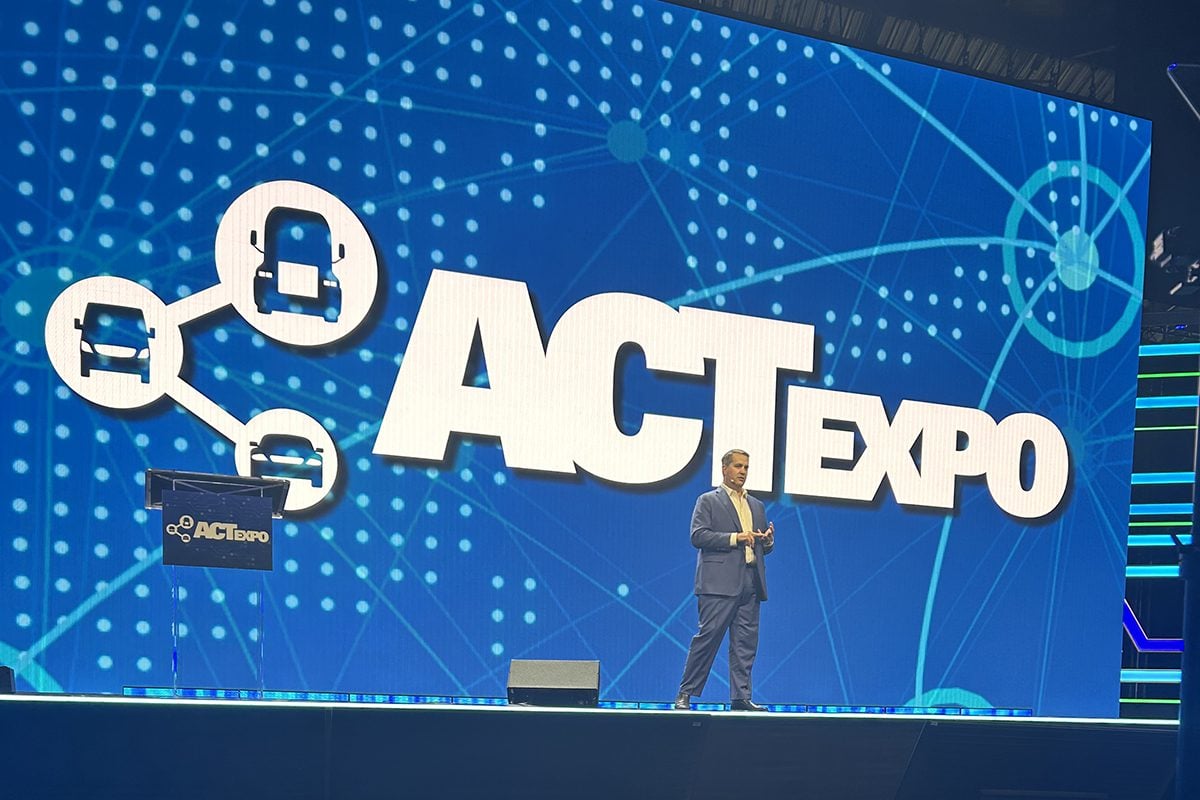
Erik Neandross, president of TRC’s Clean Transportation Solutions team and founder of ACT Expo, welcomed attendees to the mainstage and said the industry has faced “quite a year” since the last show. He pointed to the pullback of California’s Advanced Clean Trucks and Advanced Clean Fleets rules, reduced federal funding commitments, ongoing work around EPA’s 2027 heavy-duty emissions standards and changes to the endangerment finding, which he said effectively terminates the Phase 3 greenhouse gas rule.
“The tremendous tailwinds that the industry had over the last couple of years have really shifted pretty dramatically in the last 12 to 15 months,” Neandross said.
Those changes have come as the freight market remains under pressure. Neandross pointed to the substantial decline in vehicle orders, even as the past few months have brought signs of improvement in orders, freight rates and quarterly reporting from some public freight companies. The result, he said, is a market where “budgets are being pressed more than ever” and “capital investments are more difficult to make.”
Still, Neandross stressed the need to invest in advanced commercial vehicle technologies has not gone away.
“In spite of the challenges, particularly on the financial side, the market has mandated that investments in advanced technologies in the commercial vehicle sector must continue,” he said. “There’s no pause. There’s no rollback there.”
While pointing out that the zero-emission market continues to moving forward, Neandross highlighted how investments in near-zero technologies have also continued. The increasing cost of diesel nationally has created opportunities for lower-cost and lower-carbon fuels, including natural gas, renewable natural gas, propane, other renewable fuels and electricity. Fleets are also increasingly evaluating digital technologies alongside fuels and powertrains, including advanced driver assistance systems, autonomy, telematics, big data and artificial intelligence.
“We’re seeing a lot of use cases and expanded use of advanced telematics, big data, and ultimately artificial intelligence or AI to ultimately improve uptime, improve productivity, safety and cost bottom line for the fleet,” said Neandross.
Neandross described the current market as a “horse race,” where different technologies move ahead or fall back as regulations, incentives, investments, vehicle products, fuels and infrastructure continue to shift.
“To me, it’s sort of a classic case of the only certainty is that there’s going to be uncertainty and change year over year,” he said.
That uncertainty, according to Neandross, makes it even more important for fleets to evaluate where investments can deliver measurable value. Neandross said the changing market may be creating a “silver lining” by forcing suppliers and fleets to sharpen their focus on return on investment, total cost of ownership and payback.
“Ultimately, the technology needs to prove itself and stand on its own,” he added. “I think what I see is it’s put a lot of pressure on the technology providers, the equipment suppliers and the fleets to really sharpen the pencil and think about the investment and the product that we’re going to buy and make sure that it’s competitive and meets the needs, particularly the financial needs.”
That theme, he said, will define this year’s ACT Expo: “great product providing real value to customers.” Fleets come to the event to understand what is commercially available, what is working, where they can buy it and what lessons can be learned from other fleets that have already deployed new technologies.
“Fleets always want to know what’s real,” Neandross said. “Is it really commercial? Is it available? Where do I buy it? How do I buy it? What’s working?”
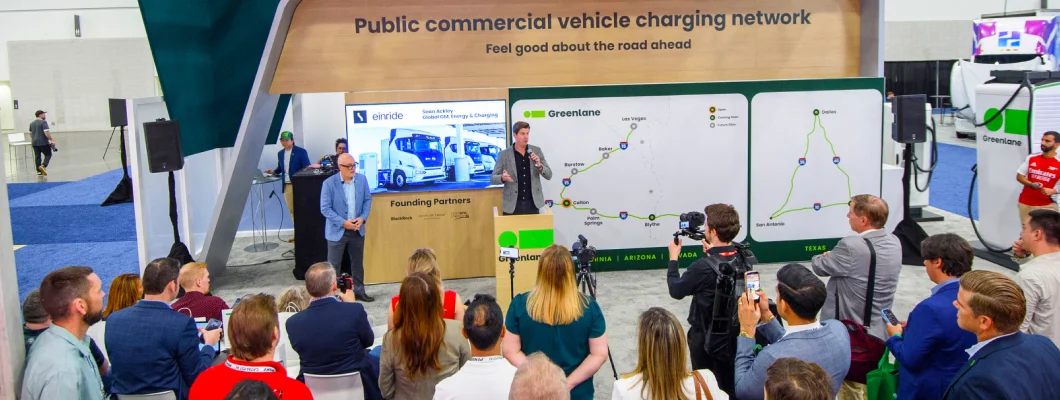
Neandross also highlighted the continued growth of ACT Expo. He said this year’s show includes more than 400 exhibitors, about 200 vehicles on display across the show floor and ride-and-drive, and 360 speakers. He said the growth reflects the number of new technologies, fleet case studies and deployment strategies being discussed across the industry.
This article was first published on ACT News.