
As commercial trucking continues its transition toward more connected, data-driven vehicles, fleets are facing a fundamental shift in how trucks are built, operated, and evaluated. That transition, and how fleets can turn emerging technologies into practical, scalable solutions, was the focus of a recent conversation on SiriusXM’s Road Dog Trucking between host Thomas Wasson and Erik Neandross, president of TRC’s Clean Transportation Solutions group.
TRC’s decades of experience as an engineering and consulting firm helps it fleet and manufacturer clients evaluate advanced vehicle technologies, from alternative fuels to electrification and digital systems. According to Neandross, that same real-world focus shapes ACT Expo, the annual conference and trade show produced by TRC.
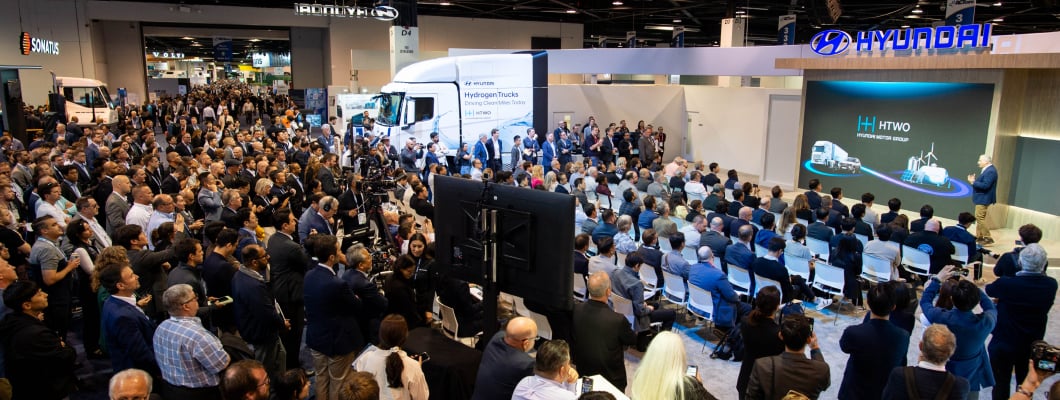
“We produce ACT Expo, which is a large trade show and conference, kind of a one-stop shop, to provide a venue for people to come in and look and see and kick tires on all the trucks and the technologies and the different fuel and infrastructure suppliers,” Neandross said. “It’s a good annual gathering of the industry for anyone that’s interested in these kinds of topics.”
Beyond the show floor, Neandross emphasized that ACT Expo is designed to help fleets understand which technologies are ready for real-world deployment.
“We’re not generally talking about things that are research and development or pilot phase,” he said. “We’re talking about technology that can be used at scale across an entire fleet.”
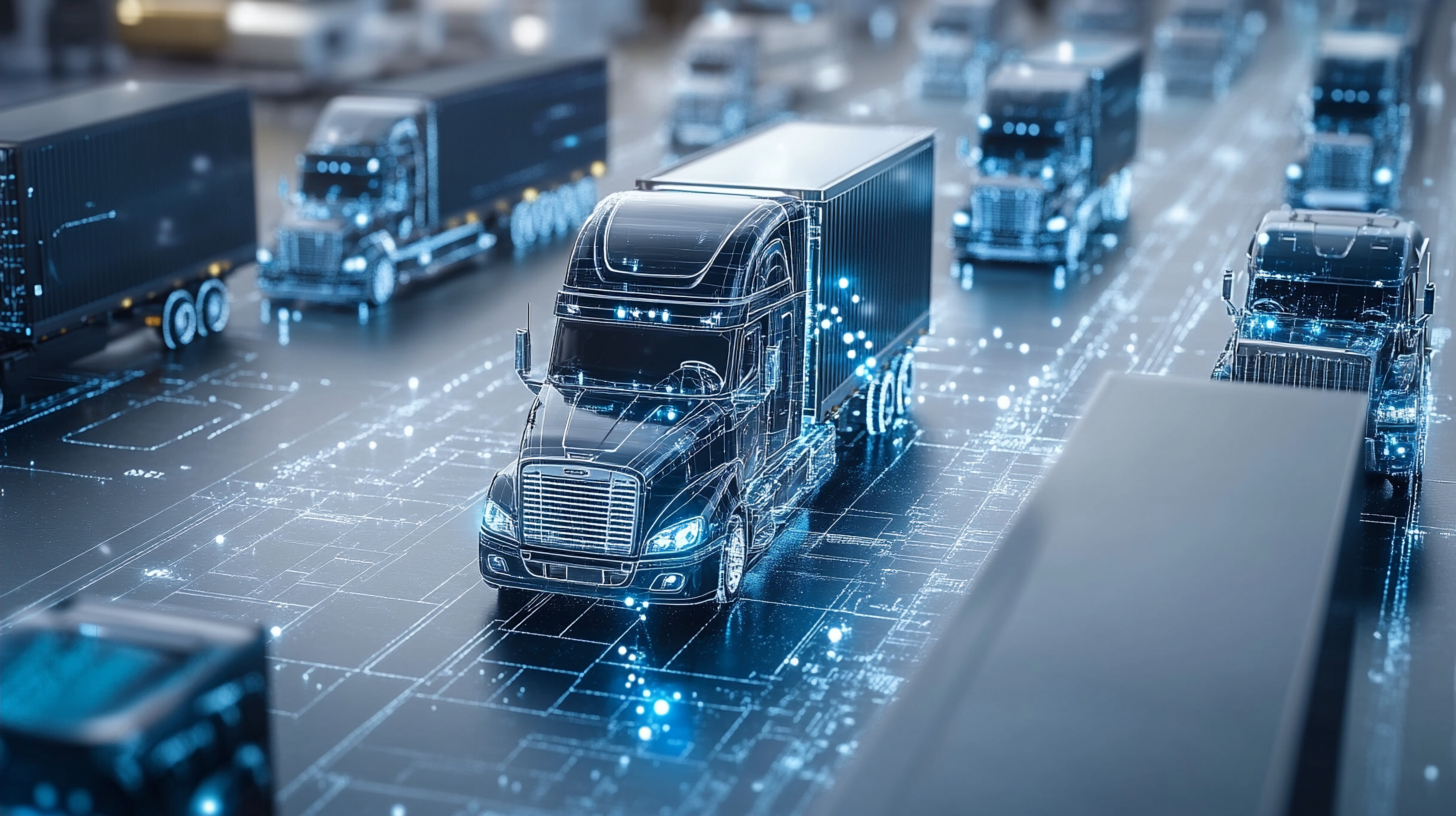
A central theme at this year’s event is the increasing digitization of commercial trucks. Neandross noted that modern vehicles already contain dozens of onboard computers, a trend that is accelerating rapidly.
“The trucks of the future will never be as simple as they are today,” he said. “They already have plus or minus 30 different little computers on them, and that’s only going to continue to accelerate.”
As that complexity grows, fleets must learn how to use data effectively, rather than simply collecting it. The event’s big focus this year is trying to help the industry with what Neandross called “digital literacy,” pointing to the need for fleets to understand how connected systems can improve maintenance, safety, and efficiency.
He cited predictive maintenance as one example of how digital systems are already delivering value. By analyzing vehicle data, fleets can identify potential failures days in advance, allowing trucks to be serviced before breakdowns occur.
“Being able to start to use that data and become familiar with it is really the key,” Neandross said.
ACT Expo 2026 programming also reflects broader shifts toward software-defined vehicles, advanced driver-assistance systems, and evolving approaches to electrification. While policy and market conditions have changed, Neandross said the underlying technology continues to advance, and ACT Expo provides a forum to assess where electrification and digital platforms realistically fit into fleet operations. Ultimately, he said ACT Expo is centered on helping fleets answer practical business questions.
“There’s all kinds of cool technology out there,” Neandross said. “But we have to look at it and say, ‘Is there value for me to go spend money on this technology? Am I going to get a return on that, and is it going to improve my operations in some way?’”
ACT Expo will take place May 4–7 at the Las Vegas Convention Center, bringing together fleets, OEMs, and technology providers to examine how advanced and clean transportation technologies are moving from concept to commercial reality.
Key Takeaways:
- Neandross emphasized that the event focuses on solutions that can be deployed at scale today, rather than pilot projects or early-stage research, giving fleets practical insight into technologies that can deliver measurable operational value.
- Modern trucks already contain dozens of onboard computers, and that complexity is increasing, pushing fleets to develop greater “digital literacy” to effectively use vehicle data for maintenance, safety, and efficiency.
- Fleets are increasingly using vehicle data to anticipate failures before they occur, improving uptime and safety while reducing unplanned maintenance events.
- As market and policy conditions evolve, ACT Expo is positioning itself as a forum for realistic discussions about where electric trucks, advanced driver-assistance systems, and software-driven platforms fit into fleet operations and total cost of ownership.